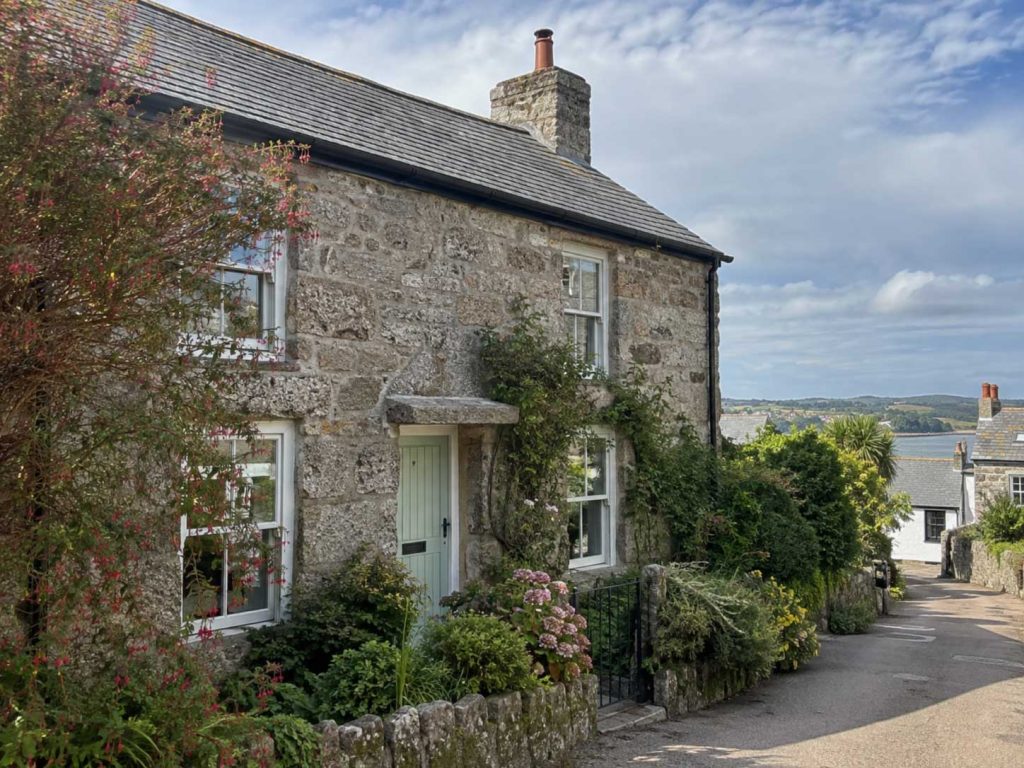
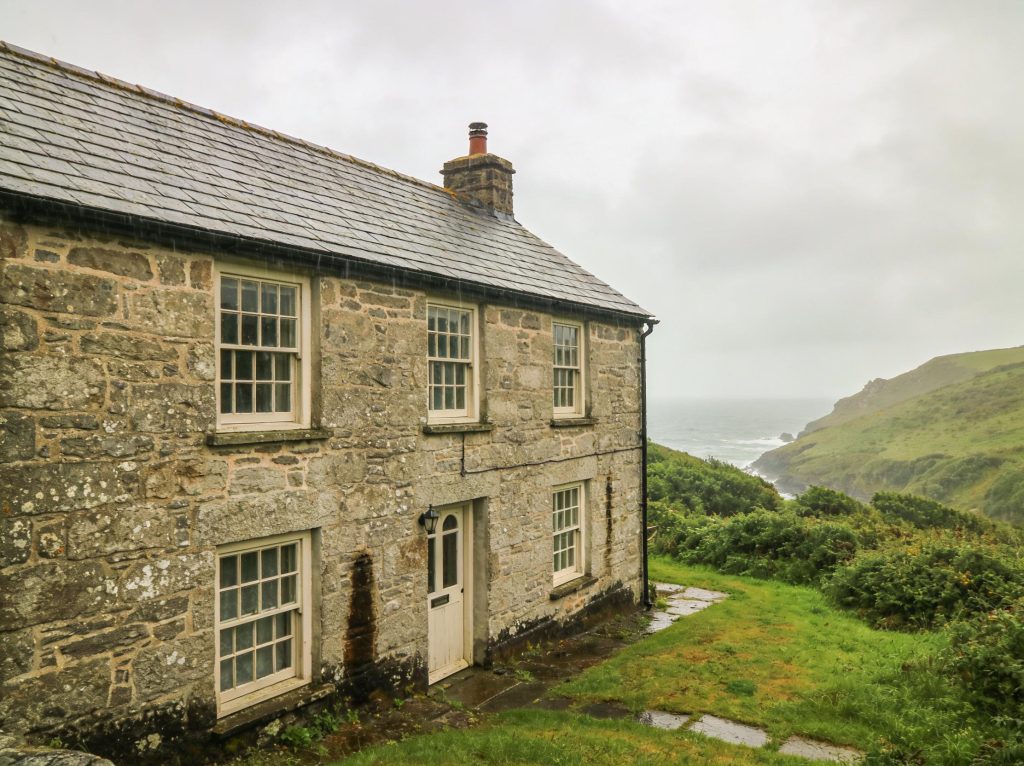
Forty-seven Sash Windows at Lancarffe Manor House Saved for Decades More
At Lancarffe Manor House in Bodmin, 47 sash windows were deteriorating and needed urgent work. The challenge was not simply repairing timber, but saving fragile 2 mm historic glass and making sure the repairs would last.
1. Forty-seven Windows Worth Saving
For our client at Lancarffe Manor House, the priority was clear: save what could still be saved.
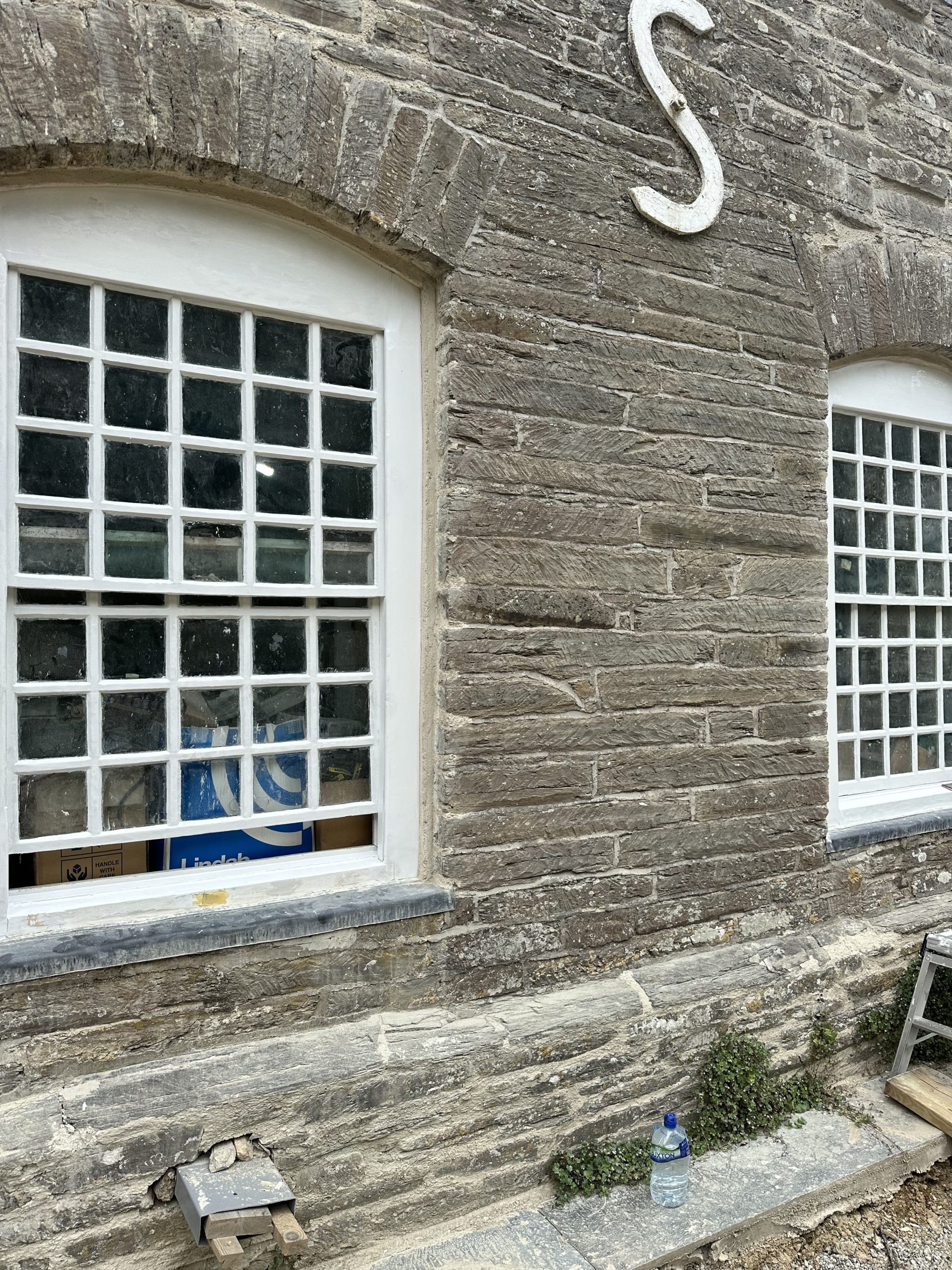
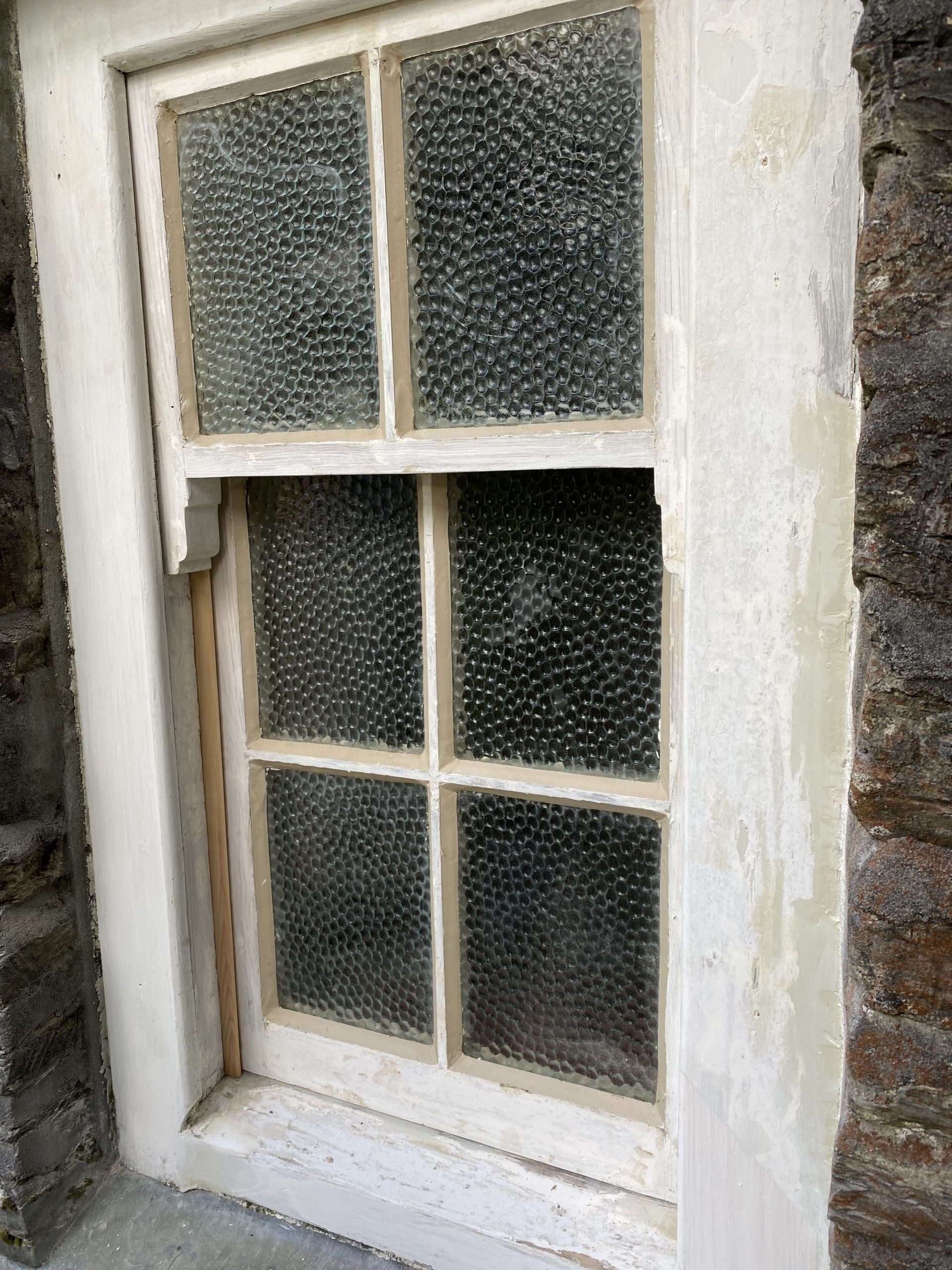
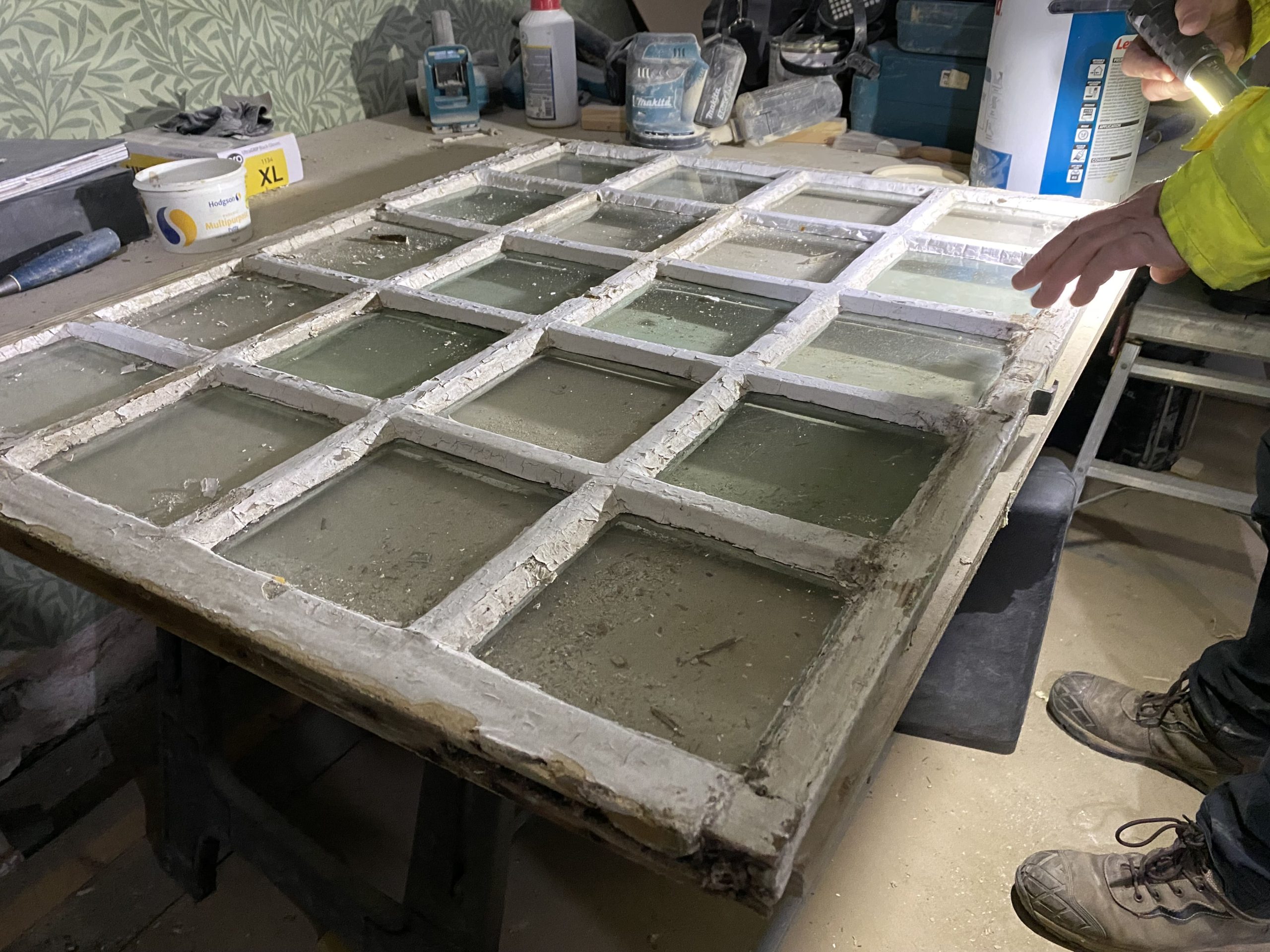
The manor house in Bodmin had 47 sash windows in varying states of disrepair. Listed Grade 2 and dating back to the 17th century, this private residence demanded a considered approach; these weren’t windows that could simply be removed and replaced without careful thought. Their historic fabric mattered, particularly the surviving glass, which was valued both by our client and by the historical bodies involved with the property.
That made the job as much about restraint as repair. The aim wasn’t to make old windows look new. It was to keep as much original material as possible, repair what had failed and leave the windows strong enough to carry on doing their job for decades.
2. When a Simple Repair could have Done Lasting Damage
All 47 windows needed attention, although the level of deterioration varied from one to the next. Rotten timber had to be removed and repaired, while old putty around the glazing had expired and needed careful replacement.
The glass made the work considerably more difficult. At only 2 mm thick, it was exceptionally fragile. Removing hardened old putty without damaging panes that everyone wanted retained meant the process took nearly twice as long as it otherwise might have done.
Cracked panes presented another complication. Rather than discard them, cracks were to be repaired with a resin cured under ultraviolet light, allowing valuable historic glass to remain in place.
For the owner, there was a bigger concern behind all of this. A poorly chosen repair method might keep a window looking sound for a while but cause more trouble later. Heritage windows don’t respond well to every modern repair material.
Original building fabric deserves better than a short-term patch that stores up the next problem.
3. Knowing When the Modern Answer is the Wrong One
This was the sort of project where knowing what not to do mattered as much as knowing what to do.
Our client needed somebody prepared to protect the original windows rather than simply follow the quickest repair method. We have been restoring Grade I and Grade II listed buildings in Cornwall since 2000, and our team includes artisan craftsmen experienced in traditional carpentry, joinery and sash window repair.
We also know that listed windows can come with consent requirements. Depending on the property’s listing and the nature of the work, permissions may be required before repairs proceed. Our office team deals with listed building and building control regulations every day and can act as the client’s agent where paperwork is required.
In other words, the owner didn’t have to become a conservation specialist just to get their windows repaired properly.
4. Repairing What Had Failed, Keeping What Still Mattered
The work at Lancarffe centred on retaining original fabric wherever possible while replacing material that had genuinely failed.
1. Assess each window individually.
With 47 windows in different conditions, there was no sensible one-size-fits-all repair. Each opening needed to be considered on its own, identifying rotten timber, failed putty, damaged glazing and the parts that could be retained. The Principal Architect produced a comprehensive condition report for the windows and developed a detailed window schedule to guide the works.
2. Protect the historic glass.
The surviving 2 mm glass was particularly important to the client and the historical bodies involved. Removing the old putty therefore became a deliberately slow job. Where panes were cracked, the agreed approach was to retain them and repair the crack using ultraviolet-cured resin rather than replace the glass.
3. Cut out decay and repair with timber.
Early advice on the project suggested using a resin repair solution to rebuild deteriorated areas of the sash windows. We disagreed. Resin wasn’t the right answer for these windows, and we said so. Yes, we were firm about it.
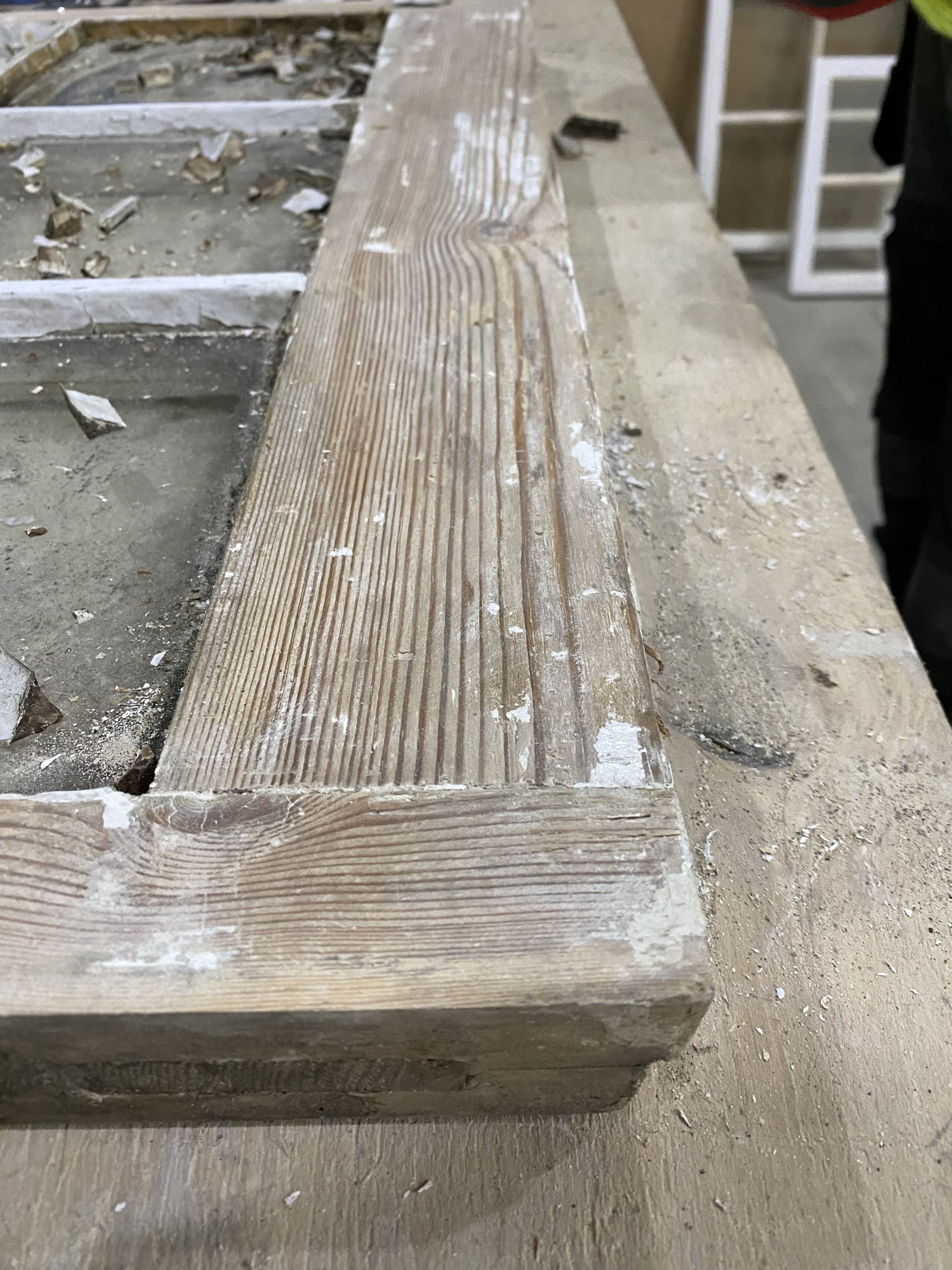
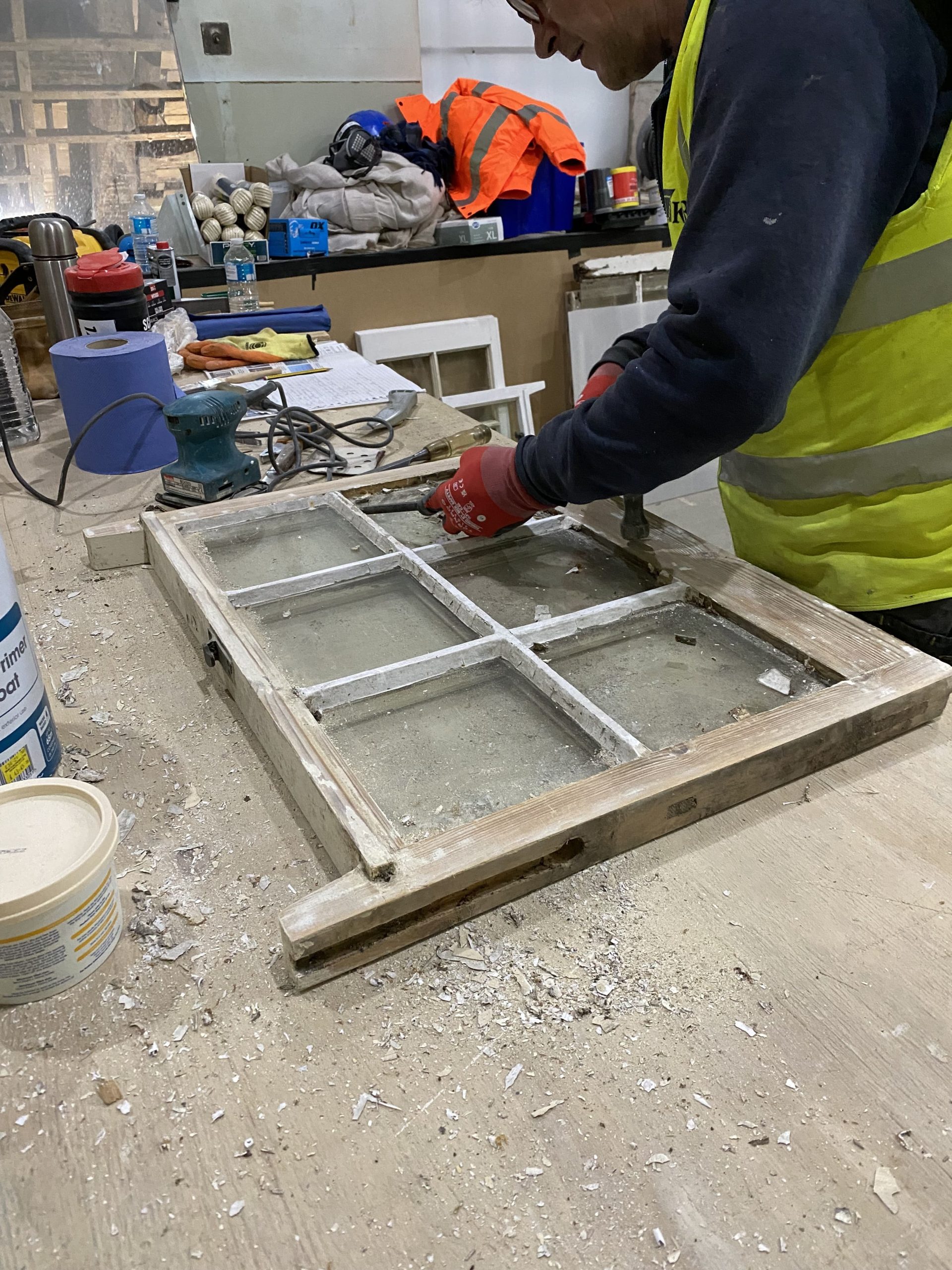
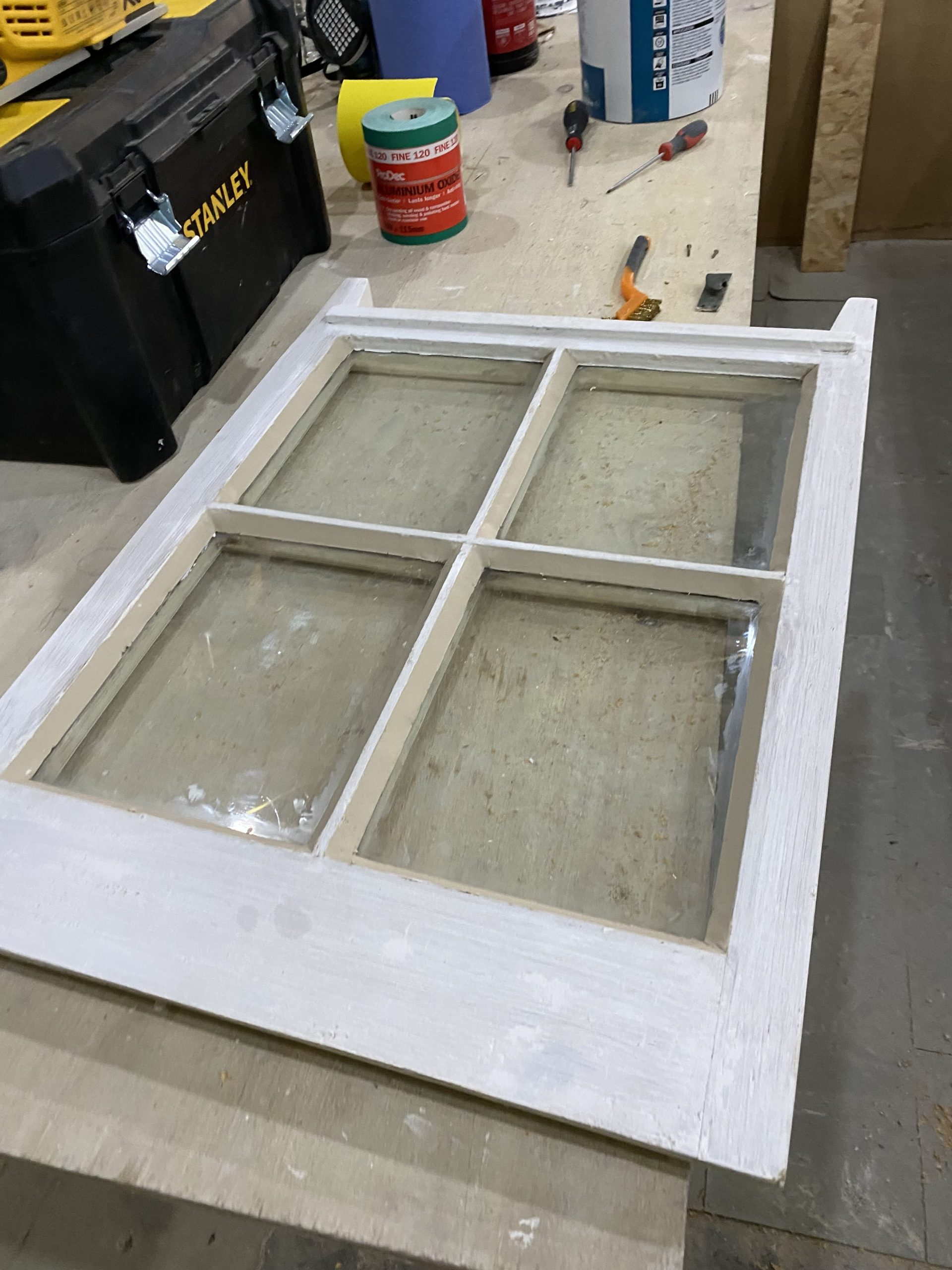
Instead, rotten timber was removed, and new timber scarfed in, meaning sound new timber was carefully joined into the surviving original section, then secured using glue and filler. The result retained the structural integrity of the sash while keeping as much original timber as practicable.
4. Re-bed the glazing traditionally.
Once the timber repairs and glazing work were complete, new linseed-oil putty was applied. Linseed oil, produced from flax seed, is a traditional material well suited to timber windows and consistent with the historic techniques used in their construction.
The important thing for our client was that decisions were being made around the needs of the building, not around whichever modern material happened to make the job quicker.
All consents granted for this project emphasised the paramount importance of preserving the historical value of the windows, with permissions limited strictly to repairs and restoration. Separate consents were obtained only in the most critical of circumstances. Throughout the project, English Heritage and Historic England were consulted, alongside ongoing communication with the local planning departments at Cornwall Council and the specialist contractor.
5. Avoiding the Repair That would Become the Next Problem
A modern resin repair to decayed sections might have looked attractive because it avoided more involved timber work. Our concern was what happened afterwards.
Materials used in heritage joinery need to behave appropriately alongside the original timber and construction. The wrong repair can introduce incompatibilities and leave the owner facing another round of deterioration rather than a durable repair.
By cutting away rotten material and scarfing in new timber, the sash remained a timber window rather than an old frame increasingly dependent on synthetic repairs. That matters when the intention is to preserve it for decades, not simply get it through the next inspection.
6. Original Glass Retained, Sound Timber Restored
The 47 sash windows at Lancarffe Manor House were given the careful intervention they needed while retaining the historic material that mattered most.
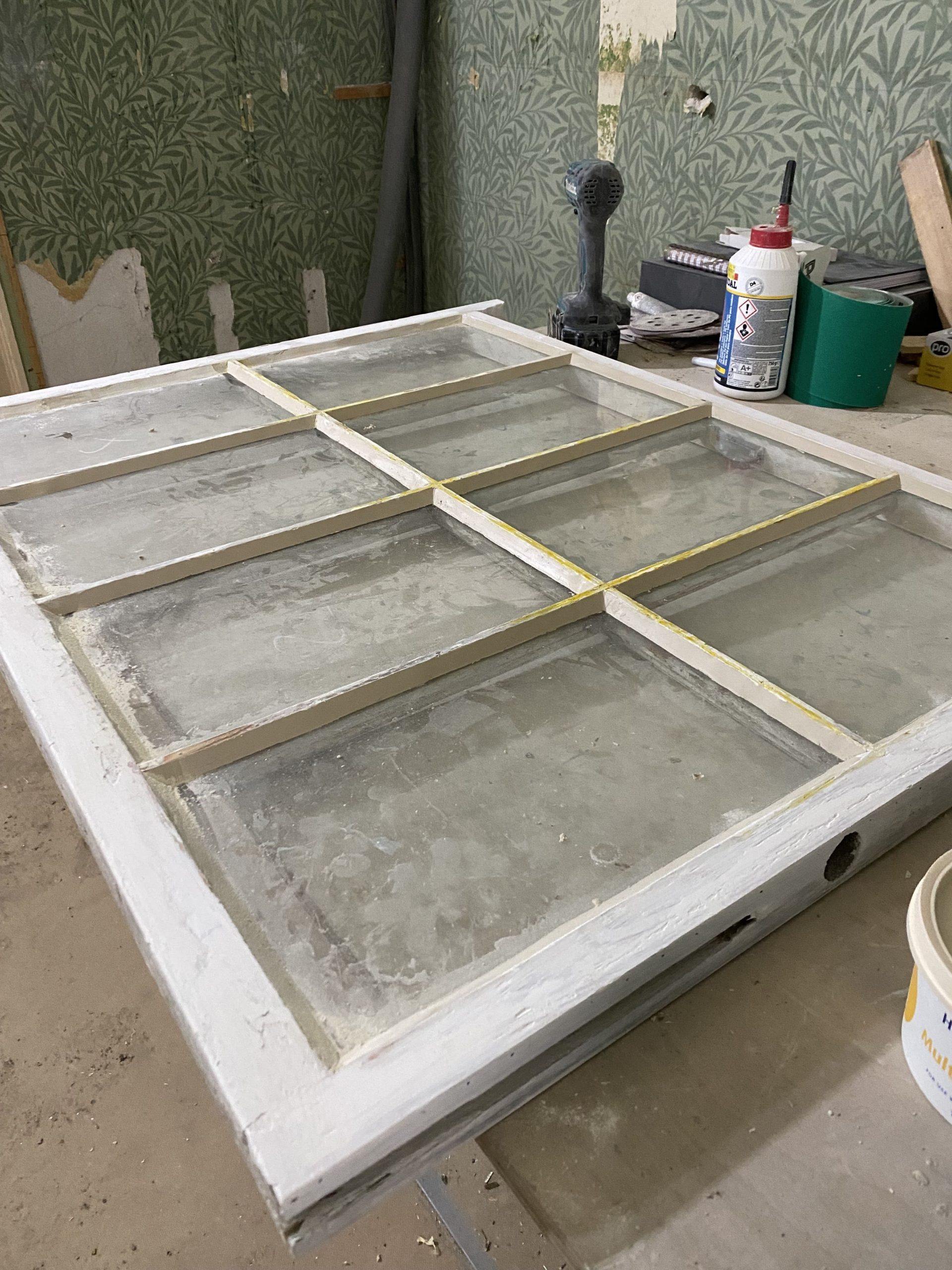
Fragile original glass was preserved wherever possible. Cracked panes could remain part of the building rather than being discarded. Rotten sections of the sashes were replaced with properly joined timber, restoring structural integrity without unnecessarily sacrificing sound original work. Traditional linseed-oil putty completed the glazing repairs using a material appropriate to the windows themselves.
For our client, that meant the problem stopped being a choice between leaving deteriorating windows untouched and losing their character through wholesale modern replacement. There was a third option: understand what was worth saving and repair it properly.
The finished windows retain the fabric that gave them their historical value, while the new timber repairs are intended to withstand decades of weather and wear before major intervention is needed again.
The client was delighted to see the historic figures etched into the glass, a nod to those who had called the property home in decades past. They were extremely pleased with the restoration carried out by Legacy, and the exceptional level of preservation we were able to achieve.
Forty-seven vulnerable windows remained forty-seven historic sash windows. That’s the point.
7. Before You Replace an Old Sash Window, Find Out What Can Be Saved
If the sash windows in your listed Cornish property are failing, talk to us before deciding they need replacing.
And if you’re not yet sure what can be saved, we can visit the property, look at the windows and give you an honest opinion on what the repair is likely to involve.