7 Warning Signs of Damp in Old Houses Cornwall Every Owner Should Know
If you’ve ever walked into a Cornish cottage and caught a whiff of must or spotted a patch of discoloured wall, you’re not alone. The charm of an older home in Cornwall comes with its own set of quirks, and damp is high on the list. Solid walls, lime plaster, and plenty of porous stone or timber mean these places are naturally prone to moisture. Spotting the early signs and knowing what to do about them is key to keeping your home in good shape.
This guide runs through the main signs of damp in older Cornish homes, why they crop up, and what you can do to tackle them. Whether you’ve just picked up the keys to a cottage or you’ve lived in your place for years, spotting these issues early can save you a lot of hassle down the line.
Why Are Older Properties in Cornwall Prone to Damp?
Cornwall’s wet, windy weather doesn’t do old houses any favours. Most were built before damp-proof courses or cavity walls were a thing, so you’re usually dealing with solid stone or brick, lime mortar, and plaster that’s meant to let moisture move through. That’s great in theory, but it does mean these homes need a bit more attention.
However, over time, the original ventilation systems may become blocked, gutters and roofs can fall into disrepair, and previous renovation attempts—such as using cement render or non-breathable paints—can unintentionally trap moisture inside the building. Additionally, the natural settling of old buildings, shifting earth, and the presence of porous materials such as timber and stone make these properties particularly vulnerable to rising damp, penetrating damp, and condensation.
That’s why it pays to keep an eye out for damp and deal with it properly if you spot it.
1. Musty Smells and Persistent Humidity
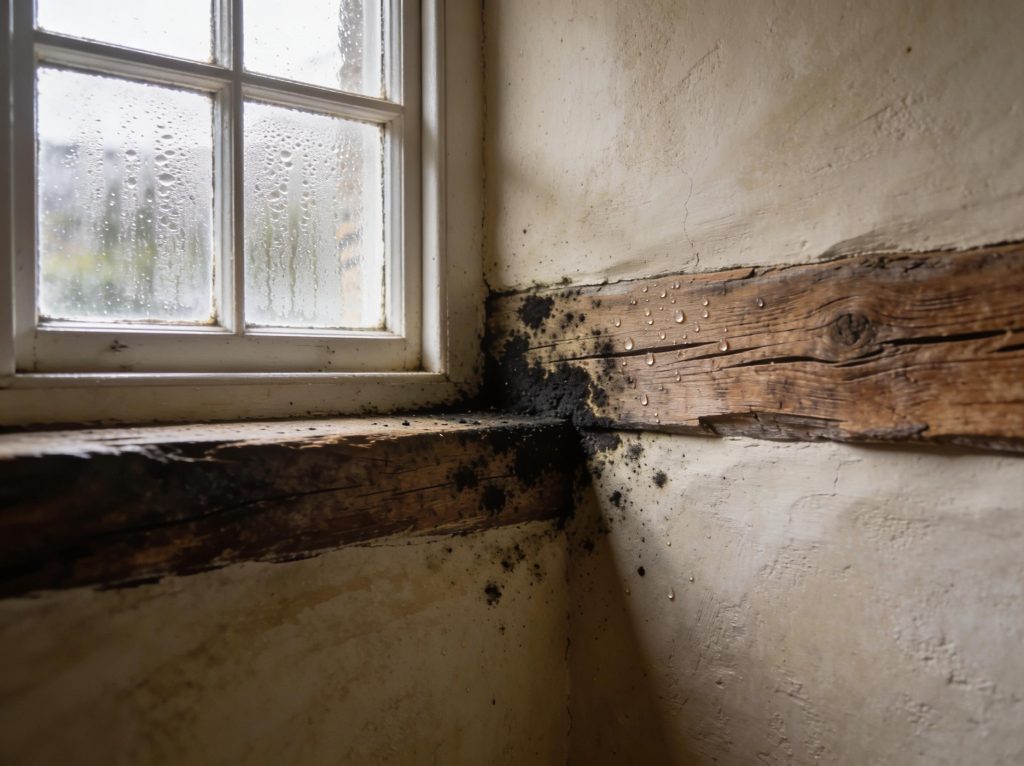
A musty smell is often the first sign indicating damp, but it’s easy to ignore. This earthy, stale smell is commonly caused by mould and mildew thriving in areas where moisture cannot escape. It may be most noticeable after periods of rain, or in rooms that lack adequate ventilation.
Old Cornwall homes with solid walls and traditional plaster are especially prone to trapping moisture, particularly if modern renovations have sealed off natural airflow. If you notice a lingering damp smell that doesn’t improve with regular cleaning or airing, it’s time to investigate further.
Why This Happens
- Poor or blocked ventilation
- Excess condensation due to insufficient insulation
- Water ingress from leaking roofs, gutters, or rising damp
- Trapped moisture behind impermeable paints or render
Leaving these early signs unchecked usually means bigger problems later, so it’s best to act sooner rather than later if you notice anything odd.
2. Discoloured or Peeling Plaster and Paint
Another classic symptom of damp in older properties is the appearance of stains, tide marks, or flaking paint and plaster on interior walls. These blemishes are not merely cosmetic—they’re a sign that water’s getting into the walls.
In Cornish homes with lime plaster and solid walls, modern paints or cement repairs can prevent moisture from evaporating, leading to its accumulation under the surface. Look out for:
- Yellowish or brown water stains
- Bubbling, peeling, or crumbling paint
- Powdery deposits (commonly salts) on the surface
Over time, this can weaken the wall structure and further deteriorate the original materials.
The Role of Salt Efflorescence
When water passes through masonry, it can dissolve natural salts present in the mortar or brick. As this moisture evaporates, the salts are deposited on the surface, creating a white, powdery residue known as efflorescence—a classic sign of rising damp or persistent water ingress.
3. Mould Growth and Black Spots
Nobody wants to discover mould growing in their living space. However, the damp, cool climate of Cornwall, combined with poorly ventilated rooms, creates the ideal conditions for mould spores to flourish. You’ll often spot it:
- Behind furniture placed against external walls
- Around windows and in the corners of rooms
- On ceilings near bathrooms or kitchens
- Under stairs or in cellars
Mould isn’t just unsightly—it poses a serious health risk, especially if you’ve got asthma or allergies. It’s also a clear indicator that condensation or penetrating damp is present.
Health Risks and Building Damage
Mould not only damages walls and plaster but can also lead to rot in timber structures. In severe cases, mould may spread to the roof or floor timbers, jeopardising the structural integrity of the building.
4. Damp Patches, Tide Marks, and Wet Walls
Visible damp patches on walls, especially at low levels, are a tell-tale sign of rising damp—a common problem in buildings in Cornwall that lack an effective damp proof course. These patches might:
- Appear darker than the surrounding areas
- Feel cold or wet to the touch
- Move upwards from the ground over time
Tide marks, often up to a metre high, indicate the highest level to which moisture has risen. These can be caused by capillary action drawing groundwater up through porous brick, stone, or mortar—a process exacerbated by the region’s frequent rainfall and high water table.
Rising Damp vs Penetrating Damp
While rising damp moves upward from ground level, penetrating damp occurs when water enters walls through defects in the building envelope, such as damaged render, cracked mortar, or faulty gutters. Penetrating damp often causes patches higher up on walls and is common in properties with ageing stonework.
5. Rotting Timber, Skirting Boards, and Floorboards
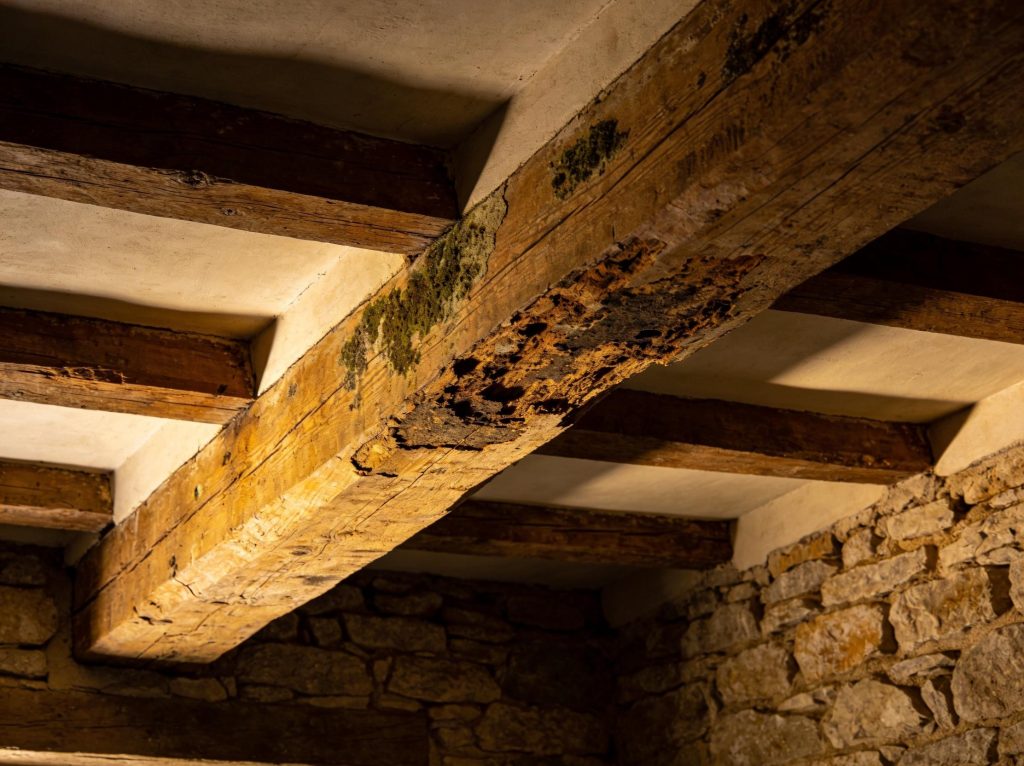
The traditional timber elements found in many Cornish homes—such as floor joists, skirting boards, and beams—are highly susceptible to rot when exposed to moisture. Tell-tale signs include:
- Soft, spongy, or crumbling wood
- Discolouration or dark staining
- Fungal growth or a musty, decaying smell
If left unchecked, damp problems can cause significant structural damage, making early intervention essential. In older properties, rot can spread rapidly, especially if the original insulation and ventilation have been compromised or if damp has penetrated from poorly maintained gutters or roofs.
Types of Rot
- Wet rot: Caused by continual moisture, leading to localised timber decay
- Dry rot: More serious, capable of spreading quickly through masonry and timber, resulting in extensive damage
Getting a professional in early can stop rot spreading and help keep the original features intact.
6. Crumbling Mortar and Damaged Pointing
Solid walls constructed with lime mortar, a staple of traditional Cornish homes, are designed to allow moisture to move through them and evaporate. However, over time, exposure to the elements and poor maintenance can cause mortar joints to deteriorate, leading to:
- Gaps or cracks in mortar pointing
- Loose or missing sections, especially around windows and doors
- Water ingress, worsening internal damp problems
Using hard, modern cement to repoint these structures can trap moisture within the wall, accelerating decay and causing further damp issues. Restoration using appropriate lime mortar maintains the wall’s breathability and historic character.
7. Condensation on Windows and Walls
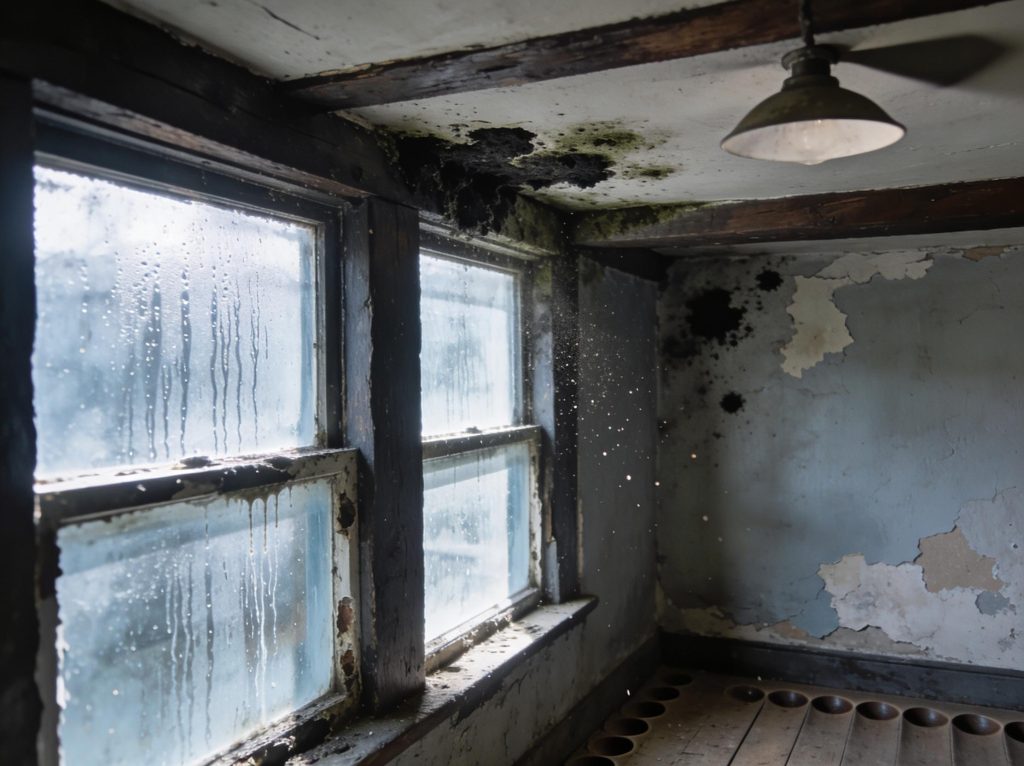
Condensation forms when warm, moist air comes into contact with cold surfaces, causing water droplets to appear—most frequently on windows, but also on walls and ceilings. In older properties with limited insulation or draughty sash windows, condensation is common, especially in winter.
Signs to watch for include:
- Persistent water droplets on window panes
- Damp around window reveals and sills
- Peeling paint or black mould in corners
Condensation can be a symptom of poor ventilation, inadequate insulation, or lifestyle factors such as drying clothes indoors. Over time, repeated condensation can lead to mould growth and further damp problems if not addressed.
Improving Ventilation and Insulation
Simple solutions, such as installing ventilation grilles, using breathable insulation, or adding a mechanical ventilation system, can dramatically reduce condensation in old homes. It’s vital to choose options that respect the property’s heritage and original materials.
Practical Solutions for Damp in Old Houses Cornwall
Spotting the signs is just the start. Addressing and preventing damp in older properties requires a tailored approach that balances the building’s history with the needs of modern living. At Legacy Restoration, our heritage-trained surveyors and craftsmen specialise in sympathetic solutions that maintain the value and character of your Cornish home.
What Should Homeowners Do?
- Conduct a professional damp survey: Experienced surveyors can identify the source of moisture, assess the extent of damage, and recommend appropriate remedial action.
- Repair and maintain gutters, downpipes, and roofs: Keeping the building watertight is crucial to prevent water ingress.
- Use lime-based materials: When repairing plaster, pointing, or rendering, choose traditional lime products that allow the building to breathe.
- Improve ventilation and insulation: Consider installing discreet ventilation systems and using breathable insulation to reduce condensation while preserving historic features.
- Monitor for further signs: Regularly check high-risk areas, especially after severe weather.
Every home is unique, and solutions should be matched to the specific structure and materials of your property. Quick fixes like using waterproof paints or replacing lime mortar with cement often worsen damp problems in the long run.
Conclusion
Owning an older property in Cornwall is a real privilege that comes with a special set of responsibilities. Identifying and addressing signs of damp early can prevent significant structural damage, preserve your home’s character, and ensure a healthy environment for your family. Legacy Restoration South West Limited is committed to helping Cornwall homeowners protect their heritage buildings with expert damp proofing, traditional restoration techniques, and honest advice.
If you suspect damp in your property, or just want some advice on keeping your Cornish home in good shape, visit legacyrestorations.co.uk or contact our team for a professional survey. By working together, we can ensure that Cornwall’s historic homes remain beautiful, resilient, and full of life for years to come.