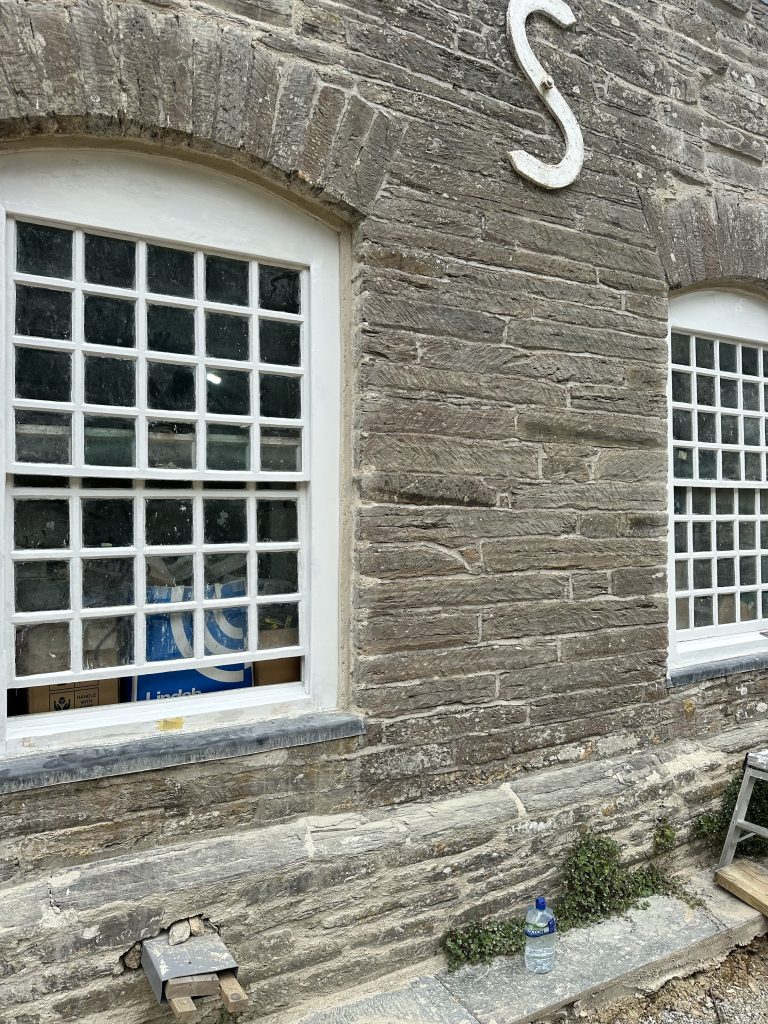
Removing Cement Render from Old Houses in Cornwall: What You Need to Know
Many of Cornwall’s period homes conceal their true character beneath layers of cement render. At Legacy Restoration, we understand the importance of preserving original features while keeping your home well protected. If you own an older property, you may be wondering whether removing cement render is the right decision, how to approach it safely, and what the process involves. Here’s an honest guide to the benefits, risks, and what to expect when it’s done properly.
Why Was Cement Render Used on Old Houses in Cornwall?

After the war, cement render became the go-to fix for tired old walls across Cornwall and Devon. The thinking was simple: seal things up, keep the weather out, job done. Trouble is, what works for new builds doesn’t always suit older stone or brick. Instead of helping, cement often ends up causing the very problems it was meant to solve.
Traditional Cornish homes were originally built using lime mortar and designed to breathe. This allowed moisture to escape through the walls rather than become trapped inside. The introduction of cement-based render, which is far less permeable, can trap moisture, leading to dampness, decay, and damage to the underlying structure.
Modern building knowledge now recognises these issues. Today, the focus is on restoring properties sensitively, favouring traditional techniques that respect the integrity of the building and the local environment.
The Problems with Cement Render on Period Properties

If you have an old house in Cornwall, particularly one constructed before 1920, cement render may be causing more harm than good. The problems often begin subtly, with a few cracks, patches of damp, or some minor crumbling. Left unaddressed, these small issues can escalate, ultimately damaging the brick, stone, or even timber beneath the render. The main problems associated with cement render on period properties include trapped moisture, as the render creates a seal that prevents walls from breathing, allowing moisture to accumulate behind the render and within the structure.
Additionally, as the building naturally expands and contracts, the rigid cement can crack and detach, allowing water to enter while preventing it from escaping. The impermeability of cement can also accelerate the decay of the original lime mortar, undermining the wall’s strength. Finally, cement render often masks the original character of stone or brick, concealing the craftsmanship that makes Cornish homes unique.
Understanding these problems is the first step toward making informed decisions about render removal and restoration.
Assessing Your House: Is Render Removal Necessary?
Before you decide to remove cement render from your old house in Cornwall, it’s worth checking if removal is actually needed. Every property is different, and a careful inspection will help determine the best approach for your home’s restoration.
Signs Cement Render Is Causing Damage
Common signs that cement render is causing damage include damp patches appearing on internal walls, especially after rainfall; visible rainfall cracks or bulges in the render; flaking or powdery brickwork and mortar beneath damaged render; persistent musty smells or visible mould within the house; and the loss of original architectural features or detailing.
A qualified building surveyor or restoration specialist can help you figure out what’s really going on, the composition of your walls, and whether taking the render off will actually help your home in the long run.
The Process: How to Remove Cement Render Safely
Removing cement render from an old house involves clear risks, including accidental damage to delicate brick or stone, exposure of underlying defects once the render is gone, and potential safety issues during removal. In Cornwall, where soft stone and historic brickwork are common, the risk of further damage is real.
The process of removing cement render from an old house involves several careful steps.
First, proper preparation and safety measures are essential. This includes erecting safe scaffolding, protecting windows, doors, and surrounding areas, assessing the type and thickness of the cement render, and identifying any underlying cracks, damp patches, or structural issues before beginning. The actual removal is typically done by hand with chisels and hammers, though a specialist tool may be required in some cases. The process usually starts by scoring the render’s surface to provide a starting point, then using a hammer and chisel to gently remove the render without damaging the wall. It is important to work slowly in small sections, constantly monitoring the condition of the wall as the render is removed.
In some cases, patches of cement render may be harder to dislodge, especially where sand and cement mixes have adhered tightly, so extra caution is needed to avoid pulling away original masonry or causing unnecessary cracks. Once the cement render is removed, underlying issues such as crumbling mortar joints that may need repointing with lime mortar, areas of missing brick or stone that require repair, and signs of trapped moisture or salt deposits needing remediation will become visible.
These issues should be addressed before applying any new render or finish to ensure the building’s long-term health and stability.
Why Traditional Lime Mortar Is Best for Restoration
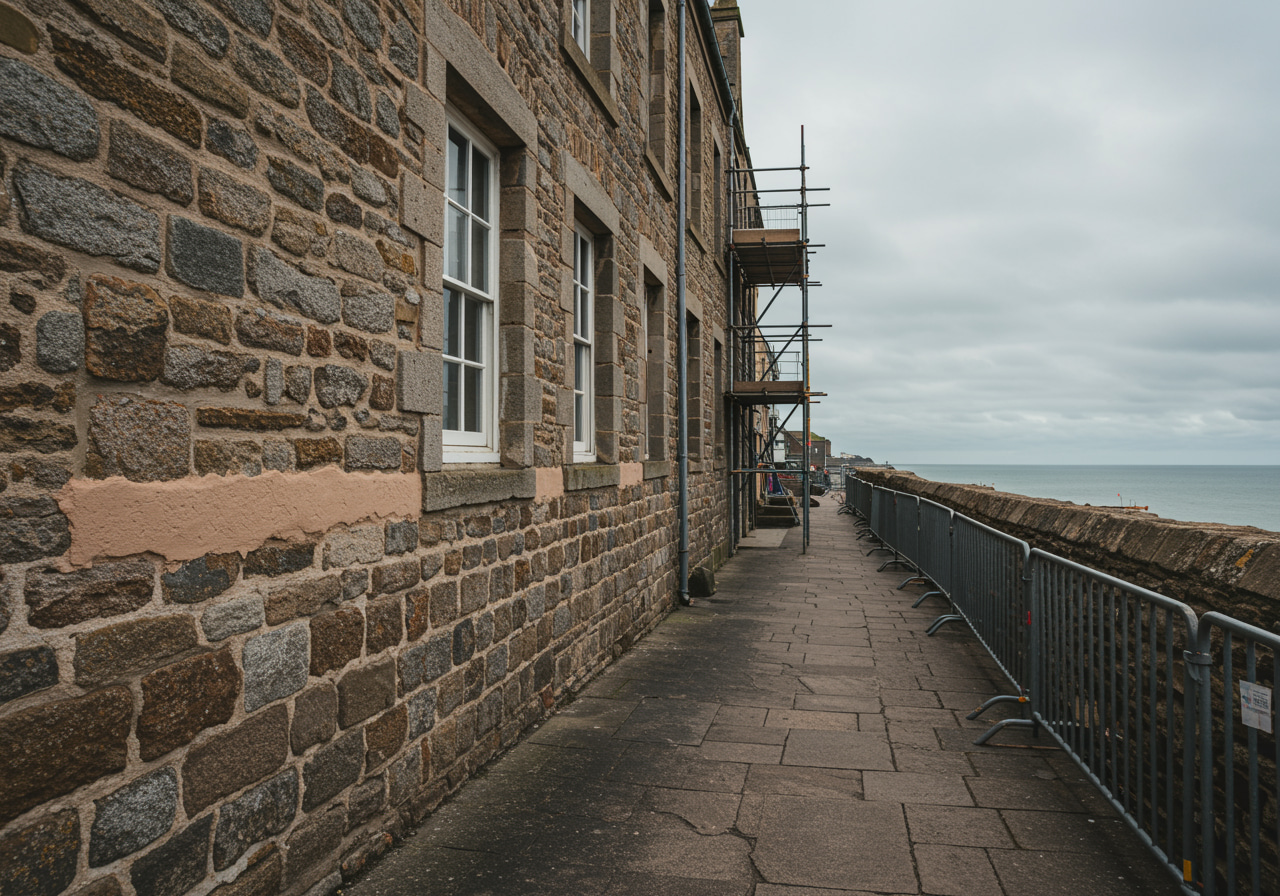
After removal, the temptation might be to apply a modern, weatherproof render to seal the wall. But if you want your walls to breathe and last, going back to lime mortar and lime-based renders is usually the better bet.
Lime mortar allows the wall to breathe, managing moisture by enabling it to evaporate naturally. This significantly reduces the risk of damp and decay, preserves the historic character of your home, and is more forgiving of the movement that naturally occurs in period properties.
Lime-based restoration offers several significant benefits. It provides breathability, allowing walls to dry out naturally and discouraging the buildup of damp. The flexibility of lime mortar means it moves with the building, reducing the risk of cracks forming over time. Lime renders and mortars also create an authentic appearance, matching the traditional look and feel of Cornish homes. Additionally, lime is a sustainable, low-carbon material that is environmentally friendly, making it an ideal choice for restoration projects concerned with both heritage and sustainability.
If your house is listed or within a conservation area, using lime mortar is often required.
DIY vs Hiring a Specialist Contractor
It’s tempting to try removing cement render yourself—especially with the abundance of online advice available. However, there are several compelling reasons to involve a professional restoration contractor instead. Trained specialists bring experience and skill, ensuring the render is removed without damaging sensitive stone or brick. They can also identify and use the correct lime mortars and finishing techniques that are most suitable for your property.
Safety is another key concern, as working at height and handling tools on old buildings can be hazardous. Finally, professionals are familiar with compliance requirements, including permissions and specific methods that may be necessary for listed or period properties.
That said, if you’re handy and patient, small patch repairs or a bit of exploratory work aren’t out of reach. Always start with an assessment and, if in doubt, consult a professional for advice.
Common Mistakes to Avoid
Restoring an old house is a rewarding challenge, but mistakes during render removal and restoration can lead to further damage and expense. Common pitfalls to avoid include using power tools that are too aggressive, which can scar or shatter brickwork—removing the render too quickly and causing accidental damage, applying cement-based render or hard mortars over old stone or brick, failing to address underlying damp or structural issues before re-rendering, and ignoring the need for breathability in favour of a “weatherproof” finish.
Steering clear of these mistakes will help protect the value and integrity of your property for generations.
Life After Cement Render: Restoring Beauty and Breathability
Once cement render has been removed from an old house and the building restored with lime mortar, the benefits become clear almost immediately. Internal dampness often subsides as walls regain their ability to breathe, preventing moisture from being trapped and helping preserve the structure’s integrity. Removing cement also reveals the original beauty of the brickwork or stone, restoring the home’s authentic character and charm. With lime mortar, the building’s natural movement is better accommodated, reducing the risk of future cracking and prolonging the structure’s lifespan. Overall, these improvements make the property more comfortable and healthier for its occupants while preserving its heritage for generations to come.
In Cornwall, where the weather can be unforgiving and traditional homes are part of the landscape’s beauty, these benefits make the effort and investment worthwhile.
How Legacy Restoration Can Help
At Legacy Restoration, we specialise in the careful removal of cement render from old houses in Cornwall and the sensitive restoration of period properties.
Our team combines local knowledge with traditional building expertise, ensuring every project is tailored to your home’s unique needs. We offer detailed assessments and honest advice, skilled render removal using the least intrusive methods, repointing and repair with authentic lime mortars, and restoration that enhances both the appearance and performance of your property.
Whether you need advice, a quick repair, or a full restoration, our mission is to protect and keep Cornwall’s old houses standing strong.
Conclusion
Removing cement render from an old house in Cornwall is a decision that can dramatically improve the health, appearance, and value of your property. By restoring breathability and uncovering original features, you’re not only preserving history—you’re investing in your home’s future.
Legacy Restoration is here to guide you through each step, from assessment to restoration. If you’re ready to breathe new life into your Cornish house, or simply want advice on the best approach, visit our website at Legacy Restoration or get in touch for a friendly conversation. Your home’s story deserves to be told—and preserved—for generations to come.