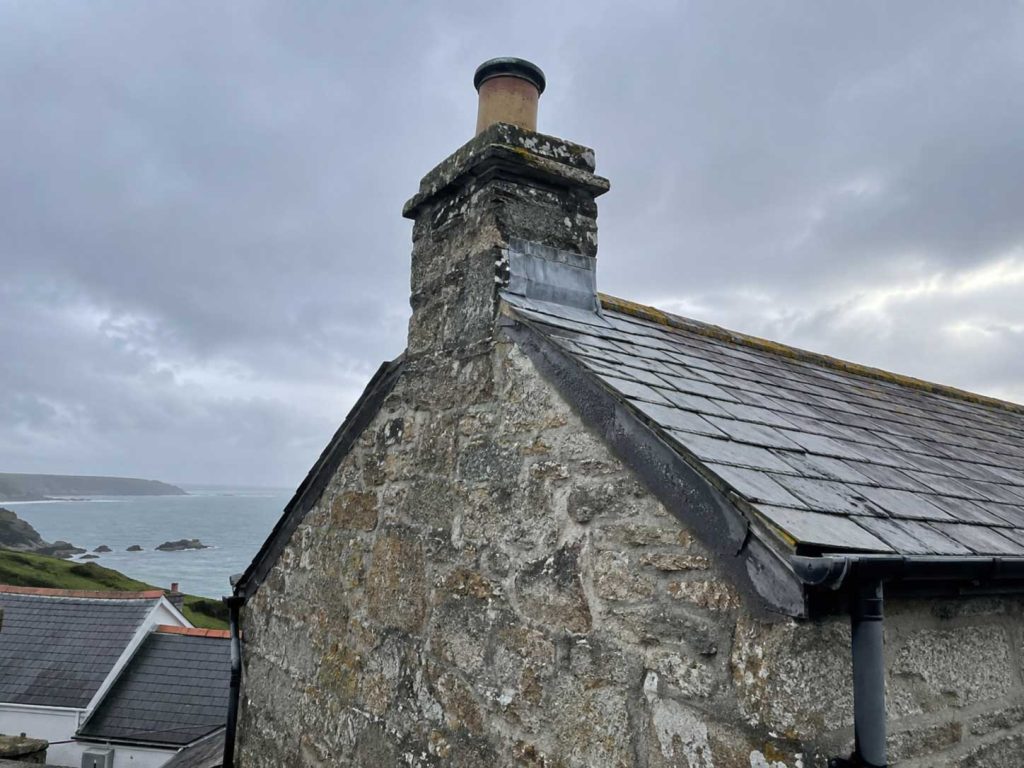
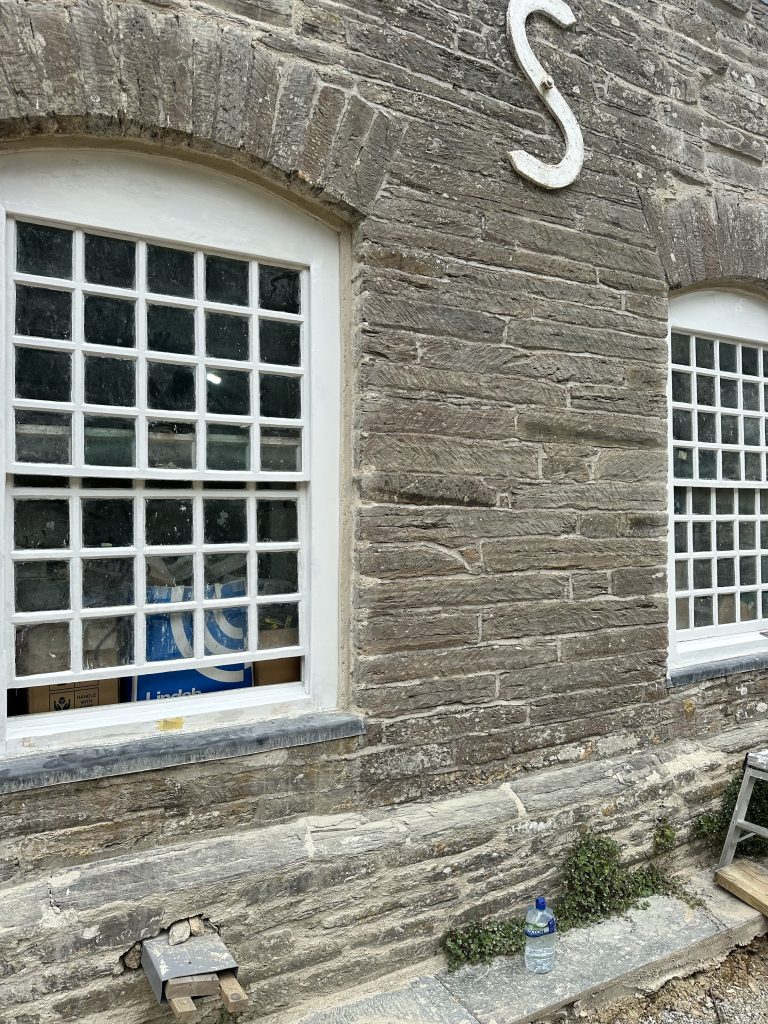
The Timelessness of Cornish Lime in Cornwall
Lime has been used in construction for centuries, celebrated for its ability to enhance a building’s internal climate and longevity. Its versatility allows it to work harmoniously with various materials, including granite, brick, timber, and earth, making it a staple in traditional Cornish structures. Recognising the significance of lime-based products in older homes—ranging from plaster and walls to chimneys and window surrounds—can be the key to successful restoration efforts.
The Importance of Lime in Building Conservation
In the realm of building conservation, the significance of lime cannot be overstated. Lime has long been a staple in the construction of historic to early 20th-century buildings. Its breathability allows moisture to move naturally through materials, preventing the damp, mould, and decay often associated with rigid non-breathable mortar. In contrast to cement, lime’s ability to absorb and release moisture helps maintain a healthier internal climate, making it an essential component in conservation efforts.
Traditional masonry techniques often relied on lime putty as a primary binder due to its compatibility with historic brickwork and stone structures. Unlike modern cement mortar, which can trap moisture within the walls, breathable lime mortar allows for the natural movement of moisture, thereby preserving the integrity of a solid wall. The use of natural hydraulic lime and hydrated lime has resulted in the development of fine putty mortars and hydraulic and non-hydraulic lime mortars, which fall into the main categories of lime mortar. These materials are essential for maintaining the aesthetic and structural qualities of heritage buildings.
Choosing the Right Lime Products
Types of Lime
Understanding the two main categories of lime is crucial when determining the most suitable lime for any given project, whether it’s a new build or the restoration of an existing structure. Understanding these categories is crucial when determining the most suitable lime for any given project, whether it’s a new build or the restoration of an existing structure. Each type of lime—such as hydraulic lime, non-hydraulic lime, and lime putty—offers distinct properties that can significantly impact the performance and durability of the final product.
Hydraulic Lime
Hydraulic lime serves as a vital binder in the construction of masonry structures, particularly when utilising lime putty and fine putty mortars. This material is essential for creating breathable lime mortar, which effectively accommodates moisture movement within solid walls. Various applications include brickwork and stone or brick construction, where mortar in the joints plays a crucial role in structural integrity. By employing natural hydraulic lime, builders can ensure durability and flexibility in their projects.
Non-Hydraulic Lime
Non-hydraulic lime, particularly lime putty, serves as a crucial binder in masonry applications, providing a flexible and breathable solution for both brickwork and stone or brick structures. Unlike natural hydraulic lime, non-hydraulic lime does not set through chemical reaction with water, making it ideal for use in fine putty mortars and cornerstone heritage mortar. When combined with aggregates, it forms a robust mortar in the joints that complements the aesthetic and functional qualities of solid walls.
In the context of modern building practises, the integration of lime and cement can enhance the structural integrity of solid walls. However, it is essential to consider the specific properties of cornerstone insulating render which functions alongside these materials to provide thermal efficiency. For on-site applications, personal protective equipment (ppe) should be utilised to maintain safety standards while handling these materials. The versatility of lime—whether in its traditional lime putty form or as part of hydraulic and non-hydraulic lime mortars—continues to support the evolution of construction methodologies.

Choosing the Right Cornish Lime Products
A range of Cornish lime products is available to meet various construction needs.
- Lime plaster is an excellent choice for creating a breathable finish that promotes moisture regulation in walls. It allows for the natural movement of air and moisture, preventing damage from trapped humidity.
- Ready mixed lime mortars offer a convenient and easy-to-use solution for both repointing and new constructions. These mortars utilise lime, which is essential for achieving the right consistency and strength.
- Cornerstone Promix Render is a versatile product that significantly enhances both the aesthetic and functional qualities of your building.
- Cornerstone Wintermix Mortar is specifically formulated to withstand the harsher winter months, ensuring durability and longevity.
The Role of Lime in Modern Restoration
The role of lime in modern restoration is pivotal, particularly in the preservation of historical masonry structures. Unlike cement mortar, which can trap moisture, breathable lime mortar allows buildings to manage moisture effectively, ensuring longevity. A common choice among restorers is lime putty, which serves as a binder in various applications. Among the main categories of lime mortar, natural hydraulic lime and non-hydraulic lime offer unique benefits for brickwork and stone structures. For those looking to apply a three coat lime system, the use of fine putty mortars is essential for achieving a durable finish.
The Process of Lime Application
The process called lime application is essential in various construction and restoration projects, particularly when dealing with porous stone or brickwork. An in-house expert team can help advise on the appropriate mortar selection, ensuring that the product meets the specific needs of each project. For instance, coarse putty mortars can be utilised in rendering and plastering, while cornerstone newbuild mortar is recommended for modern structures. The careful application of quicklime facilitates the chemical reaction with carbon dioxide, allowing the lime to carbonate effectively as it permeates the surface of the solid wall construction.
Applying lime effectively involves a meticulous process. For instance, when preparing to use a three coat lime render, it’s essential to:
- Prepare the Surface: Ensure that the area is clean and free from any debris. Use a broom or vacuum to remove dust, dirt, and loose particles. If necessary, wash the surface with a mild detergent and water, and allow it to dry completely before proceeding. Check for any imperfections or damage that may need to be repaired, such as cracks or holes. Fill these with an appropriate filler and sand them smooth once dry. Gather all necessary tools and materials, including brushes, rollers, or spray equipment, and make sure you have your chosen paint or finish ready for use. With everything in place, you are now ready to move on to the next step in your project.
- Mix the Lime: A proper mortar mix consists of lime, sand, and water in the correct ratios to achieve optimal consistency. Typically, a common ratio for a basic lime mortar is 1 part lime to 3 parts sand, although this can vary depending on the specific application and desired strength.
To start, measure out the lime and sand accurately. Once you have your materials ready, combine the dry ingredients thoroughly in a mixing container or on a clean surface. This ensures an even distribution of the lime throughout the sand. Gradually add water to the dry mix. It’s best to add water slowly, mixing continuously until you reach a workable consistency. The mortar should be moist but not overly wet; it should hold together when squeezed in your hand without crumbling. After achieving the right consistency, let the mix sit for about 15 minutes. This resting period allows the ingredients to fully hydrate and can improve the performance of the mortar. Before using, give it another good mix to ensure everything is well combined. - Apply in Layers: Each coat must be allowed to dry adequately before the next is applied to ensure a strong bond and durability. This method not only enhances the overall finish but also prevents issues such as peeling or flaking that can occur when layers are applied too soon.
Begin with a base coat that serves as the foundation; this helps to seal the surface and provides a uniform texture for the subsequent layers. Depending on the material you are working with, you may need to sand lightly between coats to promote adhesion and remove any imperfections. Once the base coat is dry, apply the first layer of your desired colour or finish. Use even strokes, whether you’re using a brush, roller, or spray technique, to avoid streaks and ensure an even application. Allow this layer to dry completely before proceeding to the next.
If a deeper colour or a more opaque finish is desired, additional coats may be necessary. Be sure to follow the manufacturer’s guidelines regarding drying times, as these can vary based on the product and environmental conditions. After completing the desired number of layers, finish with a topcoat or sealant to protect your work from wear and tear, moisture, and UV damage. This final application not only enhances durability but also adds a polished look to your project.
This method not only enhances the appearance of the structure but also its longevity and resilience against the elements. By utilising advanced materials and techniques, the integrity of the building is fortified, reducing the risk of damage from harsh weather conditions such as heavy rain, snow, and extreme temperatures.
Best Practices for Lime Maintenance
Maintaining lime in historic structures requires adherence to best practises that ensure longevity and structural integrity. The choice of lime, as a material, is crucial, as categories differ primarily in their composition and properties. For instance, some limes that harden even underwater can be beneficial for certain applications, particularly in historic solid-walled buildings. It is essential to select a reputable manufacturer and supplier to guarantee the quality of materials used. Proper application is vital; the way they set through the porous stone can influence the overall performance of the masonry.
To help preserve the integrity of lime applications, consider the following maintenance tips:
- Regular Inspections: Check for signs of wear and moisture penetration. Inspect the surfaces for any cracks, peeling paint, or discolouration that may indicate water damage. Pay close attention to areas around windows, doors, and the roof where water is more likely to accumulate. Use a moisture metre to check for elevated levels of humidity in the walls or other surfaces. If you find any issues, it’s important to address them promptly to prevent further damage and ensure the integrity of the building.
- Use Breathable Paints: When painting lime-rendered surfaces, opt for breathable paints like lime paints to prevent moisture retention. These types of paints allow moisture to escape from the wall, which is crucial for maintaining the integrity of the lime render. Traditional paints, which form a barrier, can trap moisture underneath, leading to issues such as peeling, blistering, and damage to the underlying surface. When selecting a lime paint, consider the colour and texture that will complement the architectural style of your space. It’s also important to properly prepare the surface by cleaning it and repairing any cracks or imperfections before application.
- Consult Experts: Always involve a lime specialist when undertaking repairs or restorations to comply with historic preservation guidelines set by authorities like English Heritage. Their expertise is crucial in ensuring that the materials and techniques used are appropriate for the specific historic fabric of the building. A lime specialist can assess the existing materials and recommend suitable replacements or repairs, ensuring that any interventions are compatible with the original construction techniques. These specialists often possess a deep understanding of the historical context of the building, which can guide decisions about colour, texture, and finish. By adhering to preservation guidelines and involving a lime specialist from the outset, you can help protect the architectural integrity and historical significance of the structure for future generations. collaborating with professionals who are well-versed in historic preservation not only enhances the quality of the work but also contributes to the broader effort of safeguarding our cultural heritage.
The Legacy of Lime Restoration in Cornwall
With the rise of traditional building restoration in Cornwall, the importance of lime has never been more pronounced. As experts in the field, we are committed to reviving our architectural heritage using methods that respect the past while embracing modern innovations.
If you own a traditional Cornish home in need of restoration, our expert stone masons at Legacy Restoration are here to assist you every step of the way. From guidance on materials to hands-on restoration, we bring a wealth of experience and knowledge to every project.
Conclusion
The revival of Cornish lime in restoration practises signifies more than just a trend; it embodies a commitment to preserving our architectural heritage. By understanding the benefits of lime, choosing appropriate products, and following best practises, we can ensure that our traditional buildings continue to stand the test of time, breathing with the seasons of Cornwall.