How Soakaways Improve Drainage and Protect Plymouth’s Heritage Homes
Have you ever wandered through Plymouth’s historic Barbican or the leafy lanes of Devon, gazing up at centuries-old stone cottages and grand Georgian terraces? These buildings are not just part of our landscape — they’re living legacies, each with stories told in weathered brick and hand-carved lintel. Yet, beneath their beauty, hidden threats like poor drainage and rising damp can quietly undermine their stability and charm.
At Legacy Restoration, we dedicate ourselves to preserving these treasures for future generations. One of the most effective, and often overlooked, methods we use to protect Plymouth’s heritage homes is the careful design and installation of soakaways. In this guide, we’ll explore how soakaways improve drainage, prevent damp, and help conserve the unique character of Devon and Cornwall’s architectural heritage.
Understanding Soakaways: The Basics of Heritage-Friendly Drainage
Soakaways are underground structures that manage surface water by allowing it to drain naturally into the earth, away from foundations and vulnerable masonry. Unlike more invasive drainage systems, soakaway systems can be integrated sensitively near historic buildings, working with original materials and local conditions.
In Plymouth, where heavy rainfall is common and many properties are built from local stone and lime mortar, effective drainage is essential. Poorly managed water can lead to costly issues:
- Persistent damp and mould within walls
- Erosion of stonework and pointing
- Instability in shallow or historic foundations
- Flooding in cellars and basements
Installing the right soakaway protects against these risks, preserving both the structure and the unique character of listed and period properties.
How a Soakaway Works
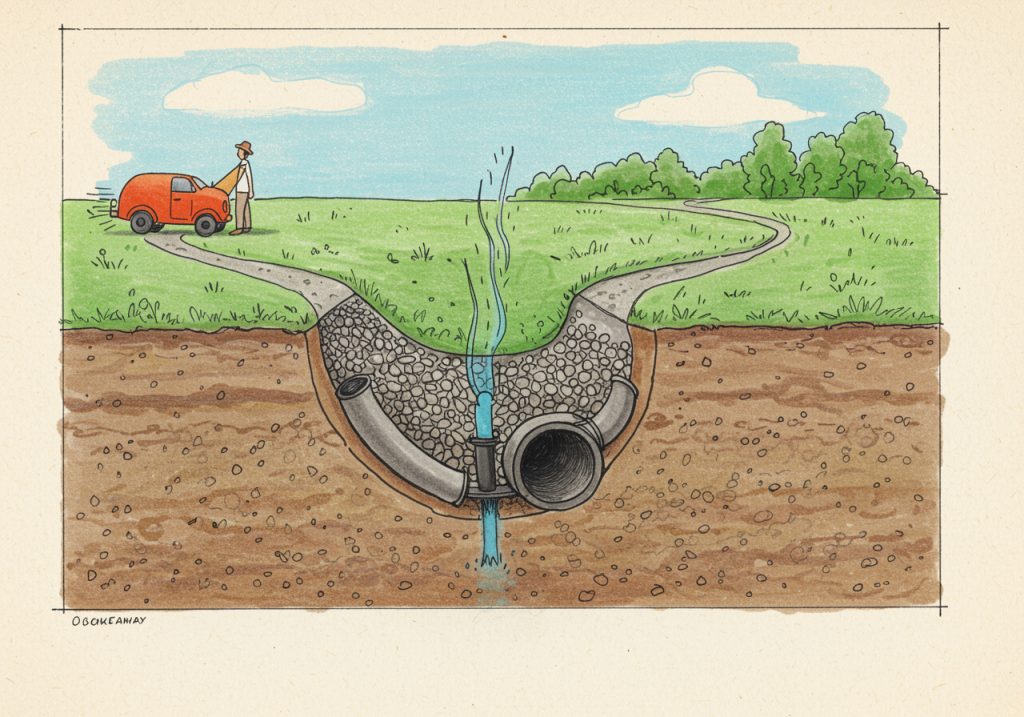
At its simplest, a soakaway receives water from drains, downpipes, or surface channels. Collected water enters a gravel-filled pit or a modern modular crate system, where it gradually percolates into the ground. This prevents water from pooling near walls, reducing pressure on underground pipes and damp ingress.
In heritage settings, the design and installation of soakaways in Plymouth must carefully consider a wider range of technical, regulatory and conservation factors to protect historic fabric, archaeological assets and special landscapes while ensuring effective sustainable drainage:
- The composition, structure and permeability of local soils, including the presence of clay, silt, sand or made ground; results from infiltration testing (eg. BRE 365) should inform sizing and siting.
- The presence of older, lime-based mortars, renders and breathable wall assemblies that can be damaged by raised groundwater or inappropriate drainage connections; designs should avoid creating wetting paths toward vulnerable masonry.
- The need for minimal visual and physical disruption to original features, historic paving, gardens, wall footings, boundary treatments and mature planting; keep excavations reversible where possible.
- Conservation area and listed building constraints, including the requirement for listed building consent or planning consultation with Plymouth City Council conservation officers when works affect protected structures or settings.
- Local Sustainable Drainage Systems (SuDS) policies and the need to demonstrate attenuation, reduced runoff rates and on-site storage where required; consider hybrid approaches (infiltration plus attenuation crates or oversized sewers) to meet regulatory expectations.
- Choice of soakaway type and materials — granular trenches, permeable paving, modular crate systems, geotextile-wrapped stone-filled pits, or bespoke cellular storage — selected to suit heritage constraints, loading conditions and maintenance access.
- Clear responsibilities for ownership, maintenance and monitoring; include maintenance schedules, access points and information for future owners to avoid inadvertent changes that could impair performance.
When thoughtfully installed, a soakaway becomes an unobtrusive, long-lasting ally in building conservation.
The Role of Soakaways in Damp Prevention and Masonry Protection
Damp is one of the greatest threats to historic homes in Plymouth and across Devon and Cornwall. Its causes are varied — from overflowing gutters to defective drains and rising groundwater. Soakaways can address several of these sources by:
- Diverting roof and surface water away from vulnerable masonry
- Reducing the risk of standing water near foundations
- Allowing lime mortars to breathe and dry naturally
For heritage properties, traditional cement-based solutions often do more harm than good. Modern, lime-safe soakaways respect the breathable nature of old stone and brickwork, supporting the building’s natural moisture balance.
Typical Signs of Drainage Issues in Heritage Homes
If you notice any of the following in your Plymouth home, it may be time to consider an expert drainage survey or soakaway installation:
- Persistent damp patches at the base of external walls
- Moss or algae growth on stonework
- Salt deposits (efflorescence) on internal plaster
- Blocked or overflowing drains after rain
At Legacy Restoration, we combine traditional building knowledge with modern diagnostic tools to identify and resolve these issues without compromising the property’s historic integrity.
Best Practices for Soakaway Installation in Plymouth’s Heritage Settings
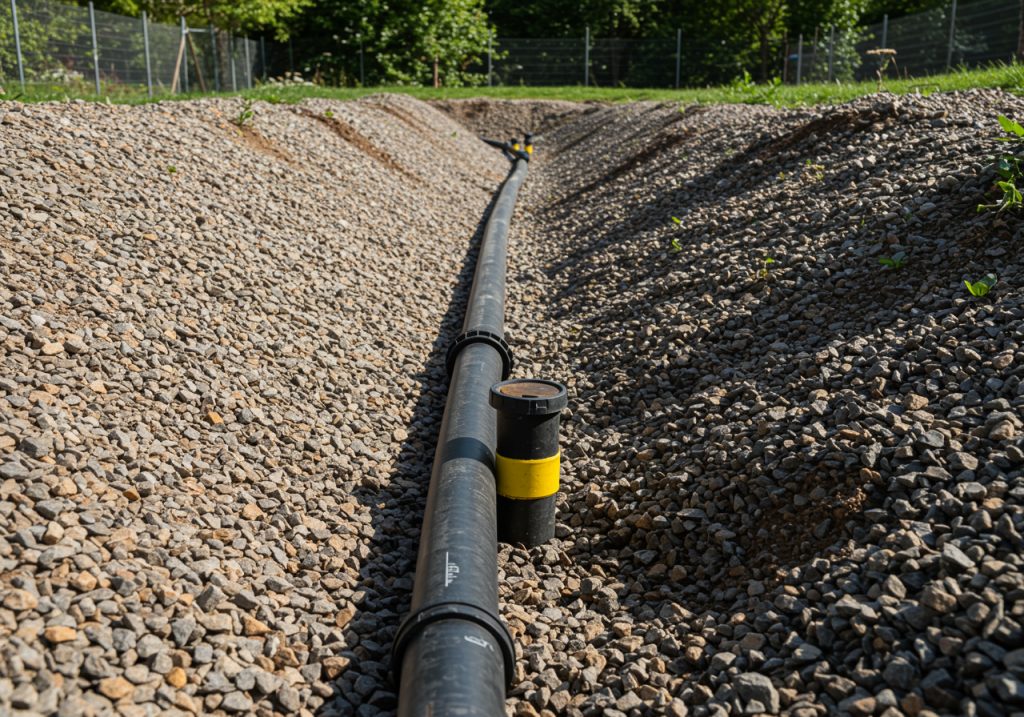
A successful soakaway is more than just a hole in the ground — it requires careful planning, skilled installation, and ongoing maintenance, especially for older properties.
Survey and Assessment
Every project begins with a thorough drainage survey. This includes assessing:
- The site’s soil type and permeability (clay soils may need larger or multiple soakaways)
- The location of existing drains, pipes, and buried heritage features
- The proximity to listed walls, trees, and neighbouring properties
Understanding these factors ensures the soakaway will function effectively without risking damage to irreplaceable fabric.
Lime-Safe and Heritage-Sensitive Methods
For period and listed buildings, soakaway installation must avoid cement-rich concrete, which can trap moisture and cause further damage. Instead, we favour:
- Lime-based bedding and backfilling, where required
- Use of geotextile membranes to filter silt but allow water movement
- Modular soakaway crates for minimal excavation and disruption
These methods maintain the breathability and movement of traditional walls, reducing the risk of long-term damp problems.
Integrating Soakaways with Other Drainage Solutions
Often, a soakaway forms part of a wider drainage strategy, which may include:
- Repair or relining of existing clay, cast iron, or lead pipes
- Installation of French drains or surface channels to intercept rainwater
- Connection to septic tanks or sewage treatment plants in rural areas
Every solution is bespoke, tailored to the specific needs of the building, its setting, and local regulations.
Regulatory Considerations and Listed Building Consent
Working with heritage properties brings added responsibilities. In Plymouth, and across Devon and Cornwall, many buildings are listed or sit within conservation areas. Drainage works may require listed building consent or planning permission, especially if they involve excavation near historic structures.
Navigating Permissions and Compliance
Legacy Restoration has extensive experience in liaising with local conservation officers and planning authorities. Our approach includes:
- Detailed documentation of proposed works
- Non-invasive survey methods to protect archaeological remains
- Heritage statements explaining the necessity and sensitivity of drainage upgrades
Homeowners are advised never to undertake soakaway or drain works in listed buildings without specialist advice, as unauthorised alterations can lead to enforcement action or loss of value.
Maintenance and Long-Term Care of Soakaways
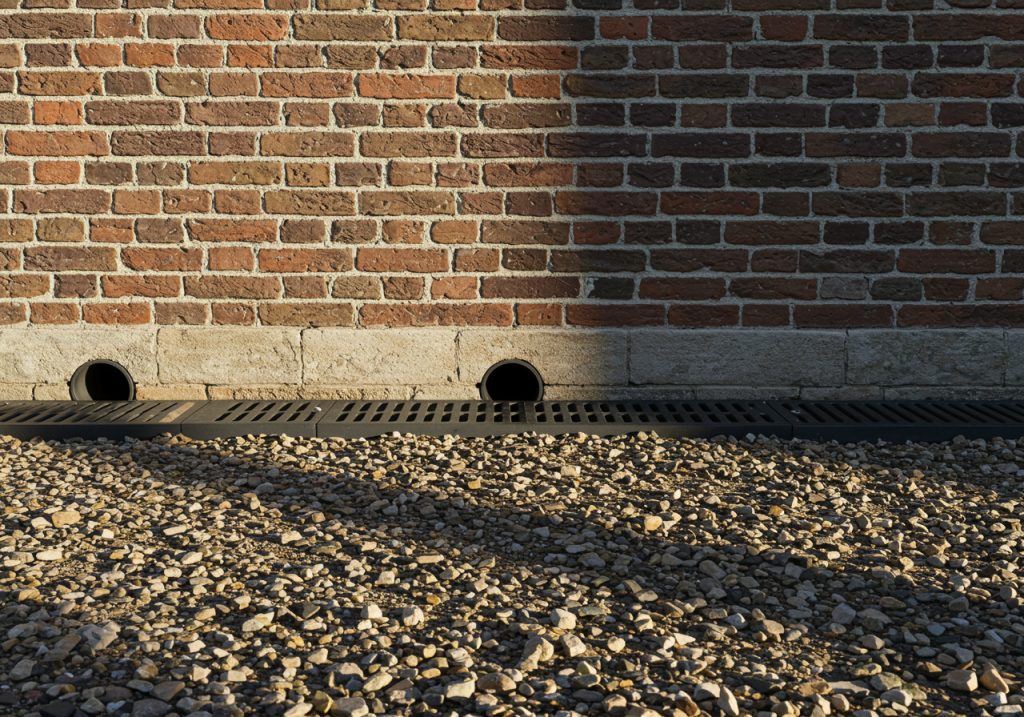
Once installed, a soakaway should provide decades of reliable service. However, just like any part of a historic building, it benefits from regular inspection and care.
Signs Your Soakaway Needs Attention
If you have soakaways in Plymouth, it’s important to spot early warning signs so problems don’t damage your property or local drainage. A failing soakaway will often show clear symptoms — checking for these regularly can help you arrange repairs or maintenance before they become costly.
- Pooled or slow-draining surface water: Water collecting around the soakaway area, in gardens, driveways or low spots that doesn’t disappear within 24–48 hours after rainfall indicates poor infiltration.
- Soggy or waterlogged ground: Persistently soft, muddy or spongy soil above or near the soakaway points to saturation and reduced percolation capacity.
- Unpleasant odours: Foul smells from the soakaway area suggest organic matter buildup or anaerobic conditions inside the system.
- Unusual plant growth: Lush or unusually green patches of grass or weeds near the soakaway can signal excess moisture and nutrient-rich water surfacing.
- Subsidence, cracking or surface depression: Settling ground, sinks or cracks in patios and driveways near the soakaway may be caused by collapse or erosion within the structure.
- Blocked inspection chambers or access points: Difficulty opening inspection covers, or visible debris and sludge when you do, often mean the soakaway is clogged.
- Sewage backup into drains or fixtures: Though less common with soakaways, backups or slow drainage inside the property can indicate an overloaded or failing system connected to foul/storm networks.
- Frequent surface ponding after modest rain: If light showers create standing water, the soakaway may no longer be handling typical local rainfall patterns in Plymouth.
If you notice one or more of these signs, it is best to contact a specialist to inspect the soakaway. Early diagnosis, including percolation testing and inspection of chambers, will determine whether cleaning, refurbishment or replacement is required to restore proper drainage and protect your property.
When to Call a Specialist
If you suspect a blockage, leak, or failure in the system, professional drain repair is essential. Legacy Restoration’s team provides:
- CCTV drain surveys to identify concealed faults
- No-dig repairs where possible, minimising disturbance
- Sensitive excavation and reinstatement in keeping with period landscapes
Preventative maintenance is always preferable to emergency repairs — a fact as true for soakaways as it is for stonework or roofing.
Why Choose Legacy Restoration for Heritage Drainage Solutions in Plymouth?
Our expert team brings together decades of experience in building conservation, drainage installation, and traditional repair techniques. We understand the unique challenges facing historic properties based in Plymouth, Devon, and Cornwall — from high rainfall and coastal exposure to tight planning controls.
When you choose Legacy Restoration, you benefit from:
- Tailored solutions that respect your building’s history and materials
- Skilled craftsmen with experience in lime work, masonry, and drainage
- Clear, practical advice on compliance and permissions
- Transparent pricing and a commitment to long-term building health
We see every project as a partnership — working with you to ensure your home remains dry, safe, and beautiful for generations to come.
Conclusion
Plymouth’s heritage homes are an irreplaceable part of our shared history. Thoughtful, lime-safe drainage solutions like soakaways are a vital tool in preserving these buildings, preventing damp, and protecting what makes our city unique.
If you suspect drainage issues or simply want to future-proof your historic property, Legacy Restoration is here to help. Get in touch with us to arrange a survey or discuss your conservation needs.
Let’s work together to safeguard Plymouth’s past — and your home’s future.