Stone Masonry Restoration Plymouth: Costs, Lime Mortar & Coastal Care
Have you ever walked down the streets of Plymouth and paused to admire the weathered stone façades, garden walls and historic terraces that give the city its distinct character? These stones have endured wind, salt spray and centuries of use — but even the most robust masonry needs careful restoration and ongoing care. At Legacy Restoration South West Limited, we specialise in sympathetic stone masonry restoration across Plymouth, Devon and Cornwall, combining traditional trades with modern understanding to protect heritage buildings and everyday homes alike.
This guide explains what stone masonry restoration involves, the role of lime mortars, how coastal conditions affect masonry, and what you should expect to pay.
Why Stone Masonry Restoration Matters in Plymouth and the South West
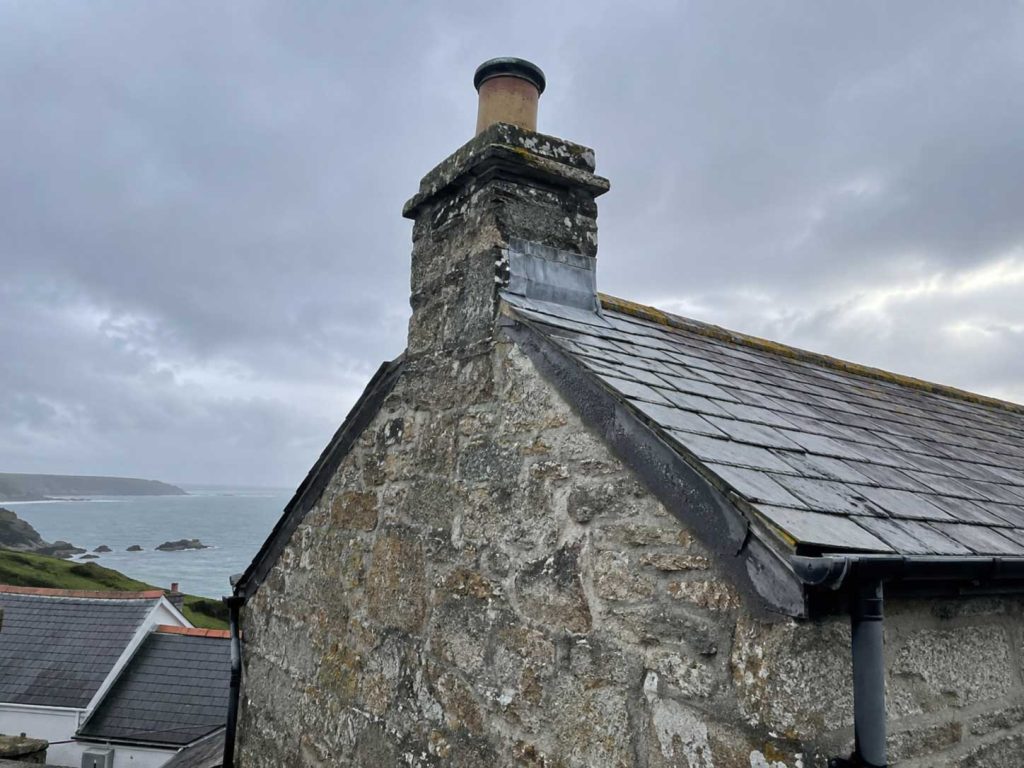
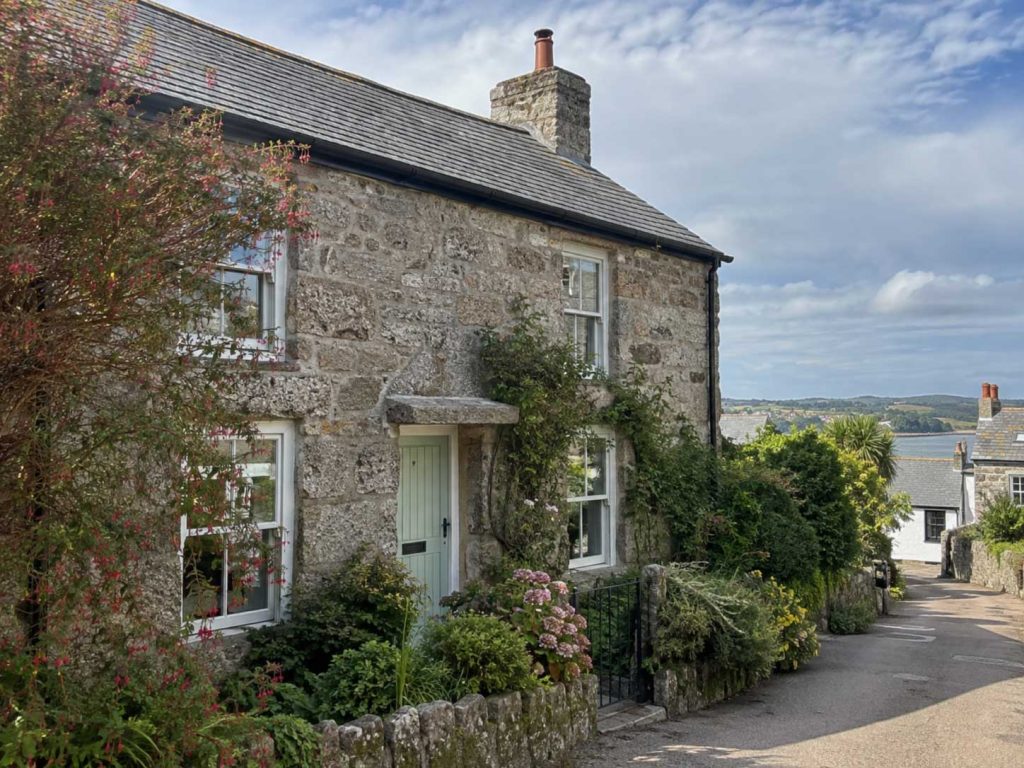
Plymouth and the wider Devon and Cornwall region are rich in historic buildings built from local stone. These structures tell a story of local geology, craftsmanship and community. When masonry deteriorates through weathering, poor repairs, or salt ingress, the implications go beyond aesthetics: trapped moisture, failed mortar and mismatched repairs can accelerate decay and reduce the building’s value.
Restoration that respects original materials and techniques extends the life of a building. That means using breathable materials like lime mortar, matching local stone and pointing styles, and addressing underlying causes such as rising damp or blocked rainwater goods. Experienced stone masonry contractors specialising in heritage conservation understand how to balance preservation with modern performance — a necessity in coastal towns like Plymouth where salt, wind and rain are constant factors.
Typical Stone Masonry Restoration Costs and What Influences Price
Understanding the cost of stone masonry restoration helps you plan and budget realistically. Prices vary widely depending on the scope of work, the condition of the masonry, access, materials and whether specialist conservation approaches are required.
Several key factors influence the overall cost:
- Extent of repair: small repointing jobs will cost considerably less than structural rebuilding or large panel replacements.
- Type of mortar and materials: lime mortar and hand-cut stone matching can add to labour costs compared with cement-based repairs.
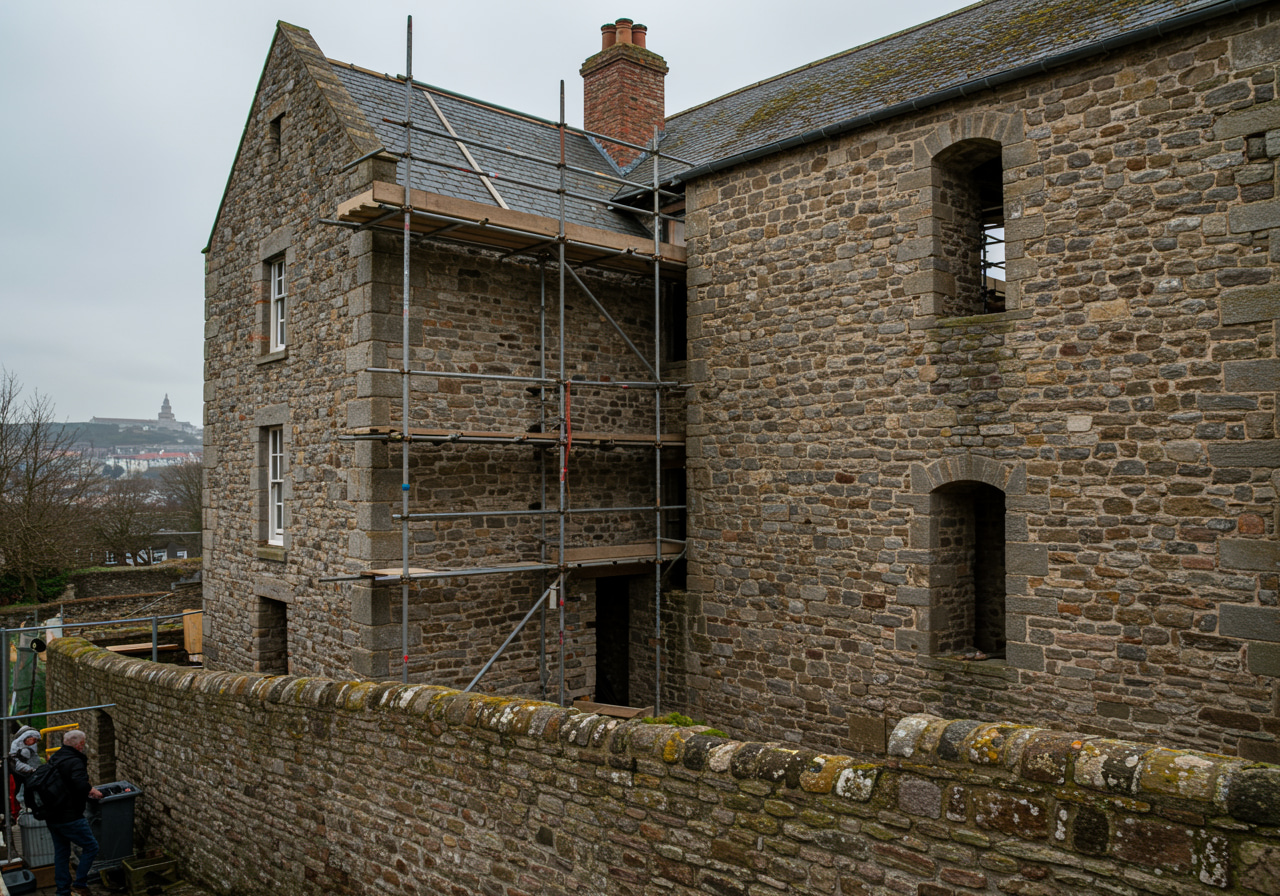
- Access and scaffolding: work on high elevations, chimneys or complex rooflines will need scaffolding or temporary access, increasing costs.
- Specialist skills: heritage projects that require matching ashlar, rustication, or lime-mortar analysis involve experienced stonemasons and conservators.
- Hidden defects: once work begins, you may discover timber rot, structural cracks or damp issues that require additional remedial work.
Always ask for a written, itemised quote from a contractor. A reputable stone masonry contractor in Plymouth will provide a survey, outline recommended interventions, and explain why specific materials (for example, NHL lime mortars) are necessary for longevity and breathability.
Lime Mortar: Why It Matters and How It’s Used
Lime mortar is central to sympathetic stone masonry restoration, particularly for historic buildings. Unlike modern cement mortars, lime mortars are flexible and vapour-permeable, allowing moisture to evaporate through the joint rather than being trapped in the stone where it can cause spalling or salt crystallisation.
How lime mortar benefits stone masonry:
- Breathability: permits moisture movement, reducing freeze-thaw damage and salt accumulation.
- Flexibility: accommodates minor movement in old buildings without cracking.
- Compatibility: chemically and physically compatible with softer historic stone, preventing damage from harder cement mortars.
- Repairability: lime mortars are easier to repair and match over time.
Common lime mortar types and considerations:
- Non-hydraulic lime putty: traditional and breathable, but slower to set; often used for restoration where long-term compatibility is essential.
- Natural hydraulic lime (NHL): sets more quickly than lime putty and can be selected in different strengths (NHL2, NHL3.5, NHL5) depending on the exposure and stone type.
- Lime-cement mixes: sometimes used for lower-risk, non-heritage repairs but can be incompatible with historic stone if the cement proportion is too high.
Pointing techniques matter as much as the mortar selection. A flush or weathered finish, raked and dressed joints, or a recessed lime tuck all affect the appearance and weather performance. Matching original pointing style is both an aesthetic and a technical decision for any conservation-minded contractor.
Coastal Care: Managing Salt, Wind and Moisture in Plymouth
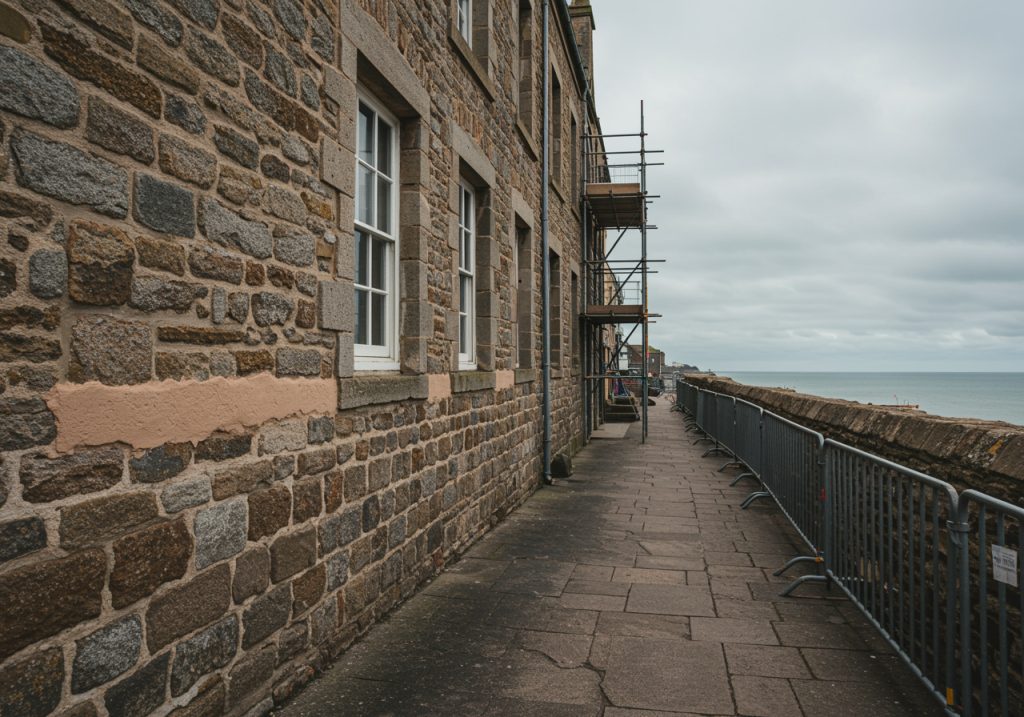
Buildings near the sea face specific challenges: salt-laden air accelerates stone decay, wind-driven rain increases moisture ingress, and coastal microclimates can lead to more frequent freeze-thaw cycles. In Plymouth and coastal parts of Devon and Cornwall, proactive maintenance is central to preventing costly repairs.
Key coastal-maintenance priorities:
- Regular inspections: catch early signs such as salt staining, flaking (spalling) of stone faces, and powdery deposits.
- Manage vegetation and drainage: plant roots and blocked gutters concentrate moisture at the wall base, worsening salt-related issues.
- Use breathable finishes: avoid cement renders or impermeable paints that trap moisture; lime-based renders or breathable paints are preferable.
- Salt mitigation: after salt exposure or major works, desalination techniques (e.g. poultices) carried out by conservation specialists can remove harmful salts from affected masonry.
Preventative maintenance schedule suggestions:
- Annual visual inspection, especially after winter storms.
- Repointing patches every 10–20 years depending on exposure, using suitable lime mortars.
- Cleaning of gutters, downpipes and surrounding ground grading to reduce water splash-back.
Coastal repairs require an understanding of both the chemistry of salts and practical site management. Where salt contamination is severe, a conservation contractor should carry out diagnostic testing and recommend desalination protocols before any repointing or stone replacement.
Matching Stone, Craftsmanship and Conservation Best Practice
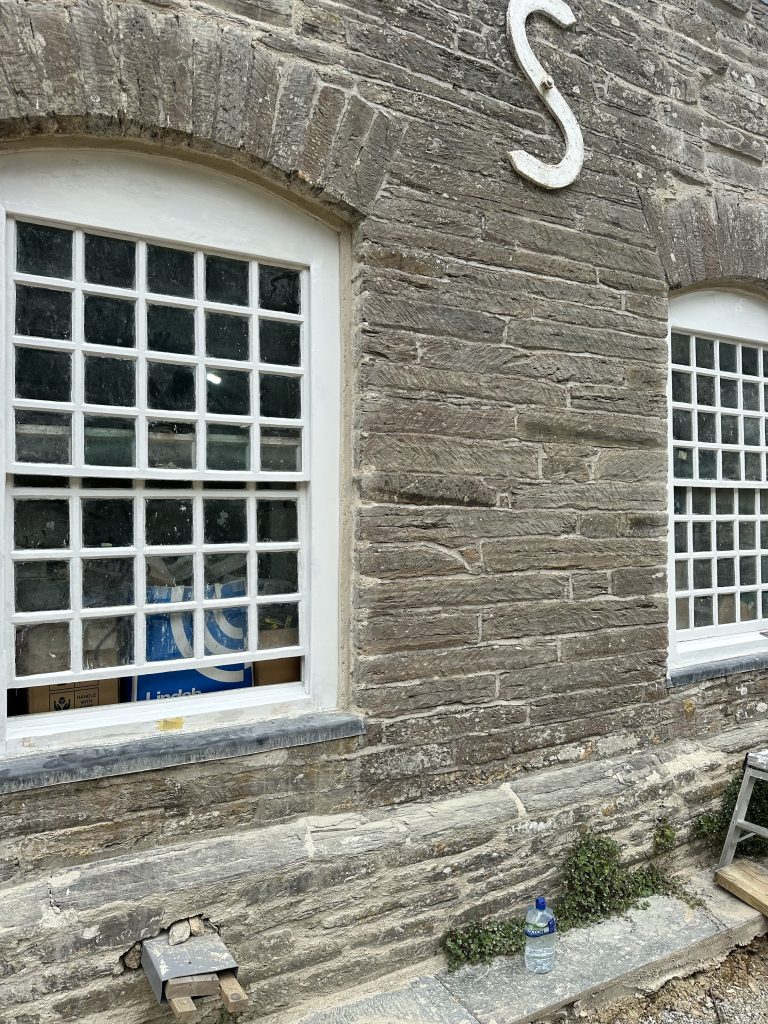
One of the hallmarks of quality restoration is the ability to match original stone, tooling and pointing so repairs become part of the building’s continuing story rather than a patchwork of mismatched materials. In Devon and Cornwall, local stone varieties (e.g. granites, slates, sandstones) have distinctive colours and textures which a skilled stonemason will source and shape sympathetically.
Craftsmanship considerations:
- Stone matching: find the closest geological match, including colour, grain and weathering pattern.
- Tooling and finish: replicate original dressing patterns (ashlar, rusticated, clunch, or rough-faced), as these details influence both appearance and weathering.
- Documentation: for listed or sensitive buildings, record all interventions and materials for future reference and compliance with conservation guidance.
- Reversibility: where possible, adopt methods that are reversible or easy to repair, a key principle in conservation.
Heritage projects often require liaison with local conservation officers or trusts, particularly in conservation areas or for listed buildings. Legacy Restoration’s work across Plymouth and Devon includes preparation of conservation statements and robust specimen panels to ensure the local authority is satisfied with methods and materials.
Choosing a Contractor in Plymouth, Devon or Cornwall
Selecting the right contractor makes the difference between a repair that lasts and one that creates long-term problems. Look for contractors who combine practical masonry skills with heritage conservation experience and transparent quoting.
Checklist for choosing a contractor:
- Relevant experience: ask for past projects in the South West and references from local conservation works.
- Materials knowledge: confirm they use appropriate lime mortars and can explain their selection.
- Written survey and scope: a detailed report, method statement and itemised quote reduce surprises.
- Insurance and qualifications: check public liability insurance and memberships (e.g. SPAB, IHBC or trade bodies).
- Local trust signals: evidence of work in Plymouth, Exeter, Cornwall or nearby towns shows local expertise with coastal conditions.
A good contractor will also provide a clear timeline, site management plan (including scaffolding, waste disposal and protective measures), and follow-up maintenance advice. Ask for before-and-after photos and a sample panel for major repointing to ensure the finish matches your expectations.
DIY Versus Professional Restoration: What a Homeowner Should Know
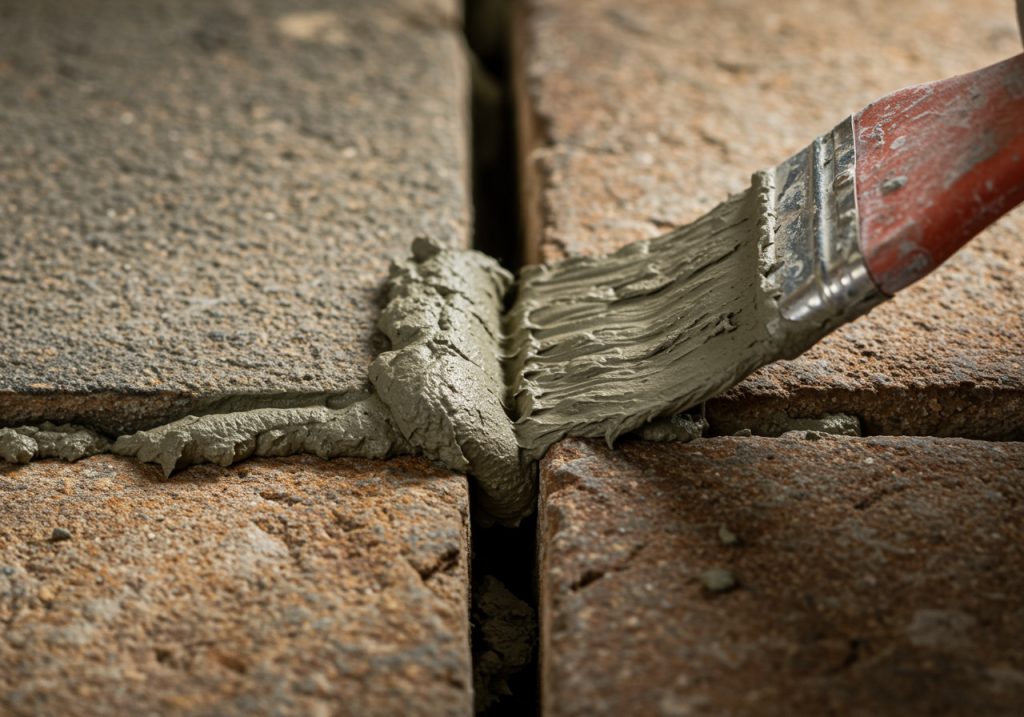
Some small-scale repairs — a few loose stones in a garden wall or patch repointing — can be undertaken by competent DIYers. However, there are limits and risks. Incorrect mortar (for example, using modern cement mortar on soft stone), improper curing, or mismatched stone can cause greater long-term damage.
When to hire a professional:
- Listed buildings or those in conservation areas.
- Structural cracking, bulging walls, or significant stone loss.
- Salt contamination, rising damp, or hidden defects requiring diagnosis.
- Any work above ground level requiring scaffolding or specialised access.
If you choose a DIY approach for minor tasks, follow these rules:
- Use the correct lime mortar recipe and avoid high-strength cement mixes.
- Do small trials to ensure colour and finish will match.
- Protect new lime work from rapid drying (use damp hessian or shelter) while it cures.
For peace of mind and to protect the value of your property, arranging a survey and quote from a specialist contractor such as Legacy Restoration is often the best first step.
Preparing for a Quote and What to Expect
A clear and useful quote starts with a site visit and includes:
- A condition survey and photographic record.
- A description of recommended works and why they are needed.
- Materials specification (type of lime/stone) and methods (pointing profile, stone dressing).
- An itemised cost breakdown including scaffolding and waste removal.
- A proposed timeline and payment schedule.
Good contractors will also explain any alternative approaches and the long-term maintenance requirements. At Legacy Restoration South West Limited, We provide detailed quotes and sample panels for larger projects to ensure clients in Plymouth, Exeter, Devon and Cornwall know exactly what to expect.
Conclusion
Stone masonry restoration in Plymouth and across the South West is a specialised craft that blends traditional skills with modern conservation understanding. Whether you’re dealing with a small garden wall, a historic terrace in a conservation area, or a coastal property exposed to salt and wind, using breathable lime mortars, matching local stone and engaging experienced stonemasons will protect your building for generations.
If you’d like a survey, detailed quote or advice on lime mortar, repointing, stone matching or coastal maintenance, contact us to arrange a site visit. Preserving your stonework today prevents costly repairs tomorrow and keeps the character of Plymouth and the South West alive for future generations.