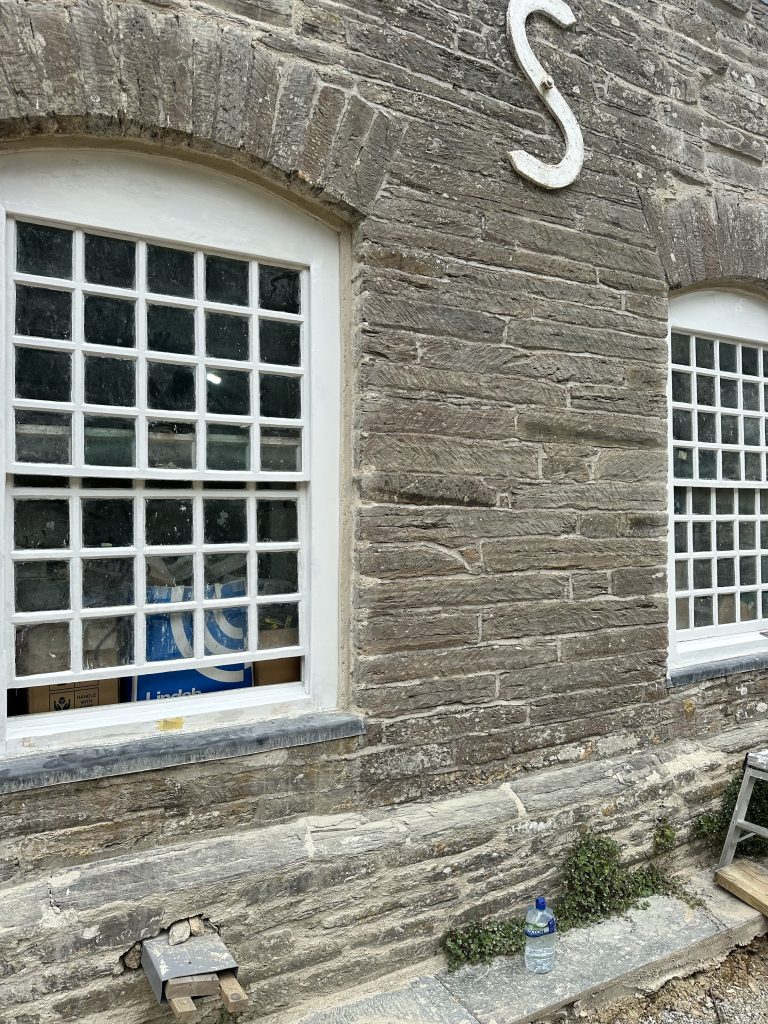
Lime Pointing in Plymouth: Conservation and Breathability for Cob Walls
Have you ever walked along a country lane in Devon and paused at a cob cottage, struck by the soft, rounded lines of its walls and the stories they hold? These traditional buildings are part of our region’s character — but they need sympathetic care to remain standing and healthy. At Legacy Restoration, we specialise in traditional masonry and lime‑based repairs across Plymouth, Devon and Cornwall, helping owners preserve cob homes with methods that respect breathability, historic fabric and local craft skills.
Lime pointing is one of the most important conservation treatments for cob and other traditional masonry. Done well it protects the fabric, allows moisture to escape, and maintains the building’s appearance. Done badly — or replaced with cement — it can trap moisture, accelerate decay and undermine the very structure you’re trying to protect. This guide explains why lime pointing matters, the right materials to use, practical steps, cost factors, and how to decide between DIY and professional repair.
Why Lime Pointing Matters for Cob Walls
Cob is a composite of earth, straw and sometimes lime, forming a porous, moisture‑buffering wall that performs best when paired with compatible finishes. Lime mortar is vapour‑permeable and flexible, allowing the wall to move slightly with seasonal changes and to “breathe” — letting excess moisture evaporate rather than building up behind a hard, impermeable skin.
By contrast, cement mortars and modern impermeable renders are significantly harder and much less permeable. When used on cob or soft brickwork they can trap moisture, cause salts to concentrate, and lead to spalling, cracking and internal damp. In Plymouth’s maritime climate — with driving rain and fluctuating humidity — preserving breathability is essential to long‑term performance.
Lime pointing also plays a conservation role beyond moisture control. Correctly matched mortars are softer than surrounding masonry so, over time, they weather before causing damage to the structural fabric. That sacrificial quality is intentional: by repointing with lime, you protect original cob or historic brickwork and retain the building’s character.
Finally, lime pointing influences appearance. Traditional lime mortars can be coloured to match existing joints and finished with a flush or struck profile that suits the building’s age. The craftsmanship of a carefully pointed cob wall adds to the sense of place that people value across Plymouth, Devon and Cornwall.
The Problems with Cement and Incompatible Repairs
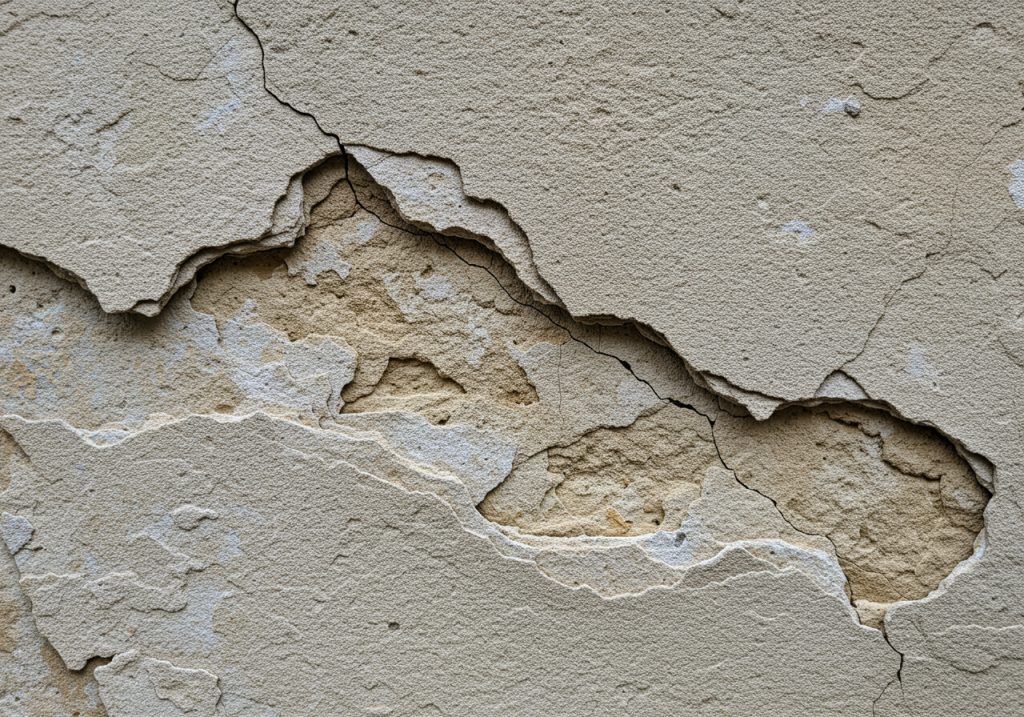
Cement has been a fundamental building material for centuries, valued for its strength, versatility, and durability. However, its use is not without challenges, particularly when it comes to repairs and maintenance. Incompatible repairs often arise due to the inherent properties of cement and the materials it is commonly paired with, leading to a range of issues that can compromise structural integrity and longevity.
- Susceptibility to cracking: Over time, environmental factors such as temperature fluctuations, moisture, and chemical exposure can lead to the development of cracks in cement structures. When repairs are attempted using conventional cement mixtures, the differences in thermal expansion and contraction between the original material and the repair compound can exacerbate the problem. This can result in further cracking and deterioration, ultimately undermining the stability of the repair.
- Bond between new and old cement can be weak: This is particular if the surfaces are not properly prepared before applying the repair material. Poor adhesion can lead to delamination, where the new material separates from the old, creating voids that can trap moisture and promote further damage. This is especially problematic in regions with high humidity or freeze-thaw cycles, where water infiltration can lead to erosion and spalling.
- Compatibility of repair materials: Many traditional repair compounds are formulated to work with specific types of cement, but when these are applied to older structures or those made with different formulations, the result can be disastrous. For example, using a high-strength repair mortar on a softer, older concrete can create stress points that exacerbate existing weaknesses. Moreover, additives in modern cement mixes, such as polymers and fibres, may not bond effectively with older materials, further complicating the repair process.
- Environmental impact: The production of cement is a significant source of carbon dioxide emissions, contributing to climate change. As the construction industry seeks more sustainable practises, the reliance on traditional cement repairs must be reevaluated. Alternative materials, such as bio-based composites or recycled aggregates, could offer more environmentally friendly solutions, but their compatibility with existing structures remains a critical consideration.
While cement remains a staple in construction, the challenges associated with its use in repairs are multifaceted. The potential for cracking, issues with adhesion, compatibility problems, and environmental concerns all highlight the need for a more nuanced approach to repair strategies.
Types of Lime Mortar and Materials: Choosing What’s Right
Selecting the right lime product is a balance of breathability, strength and setting characteristics. There are two broad categories: non‑hydraulic (fat) lime and hydraulic lime. Each has a place when working on cob.
Non‑hydraulic lime (lime putty or fat lime) sets by absorbing carbon dioxide from the air and cures slowly. It is very breathable, flexible and compatible with very soft fabrics. Lime putty mixes and traditional slaked lime mortars are often preferred for historic interiors and softer cob where slow setting is acceptable.
Hydraulic lime contains clay or other impurities that allow it to set in the presence of moisture via hydraulic reaction. In the UK, hydraulic lime grades are typically classed as NHL 2, NHL 3.5 and NHL 5 (from weaker to stronger). NHL 2 and NHL 3.5 are commonly used for exterior pointing and render on cob because they offer a compromise between setting time and breathability while still being softer than cement.
If you’re specifying materials for lime pointing in Plymouth, consider:
- The original mortar and wall fabric (very soft cob vs strongly compacted cob).
- Exposure: seaward, exposed elevations may require a slightly stronger hydraulic lime.
- Match of colour and texture for visual continuity.
Typical Materials and Additives
When preparing lime mortar for cob pointing, common components include:
- Lime: The primary ingredient in lime mortar can be lime putty or hydraulic lime (NHL), each suited to specific jobs. Lime putty is a traditional material that allows for flexibility and breathability, making it ideal for older structures. Hydraulic lime, on the other hand, sets more quickly and is suitable for areas exposed to moisture.
- Clean, Well-Graded Sand: The sand used in lime mortar should be clean and well-graded, often sharp or building sand. This type of sand helps create a strong bond in the mortar mix, ensuring that it holds up against the elements while remaining breathable.
- Hair or Fibres: While typically used in lime renders for full rendering applications, hair or other fibres can sometimes be added to enhance the strength and durability of the lime plaster. However, these are not usually necessary for pointing work.
- Gauging Agents: To adjust the workability of the lime mortar, gauging agents or additional lime putty may be added. This helps to create a mortar mix that is easy to apply while still maintaining the necessary strength and breathability.
It is essential to avoid using cement additives or plasticisers in the lime mortar, as these materials can reduce the permeability of the mortar. Lime mortar must allow buildings to breathe, especially in the Plymouth area where many of the old buildings need repointing to restore their original charm and structural integrity.
Preparing and Executing Lime Pointing in Plymouth

Good results start with careful preparation. Understanding the best practises for lime pointing ensures the longevity of brickwork and stonework, particularly in historic structures that require careful restoration. Rushing to reapply mortar onto dirty, damp or loose joints will deliver short‑lived repairs. Before pointing, the existing joints should be hand‑raked out to an appropriate depth, loose material removed and surfaces allowed to dry slightly if excessively saturated.
Here are the best practises for lime pointing:
- Assessing the whole elevation: Before beginning any work, it’s essential to assess the entire elevation of the building. This evaluation helps to understand how moisture moves through the wall and identifies areas that may need repointing. Proper assessment ensures that repairs are made only where necessary, preserving the original lime mortar and fabric of the building.
- Removing incompatible cement mortars: When working with traditional buildings, it’s crucial to carefully remove any incompatible cement mortars that may have been previously applied. Using hand tools minimises the risk of damage to the underlying masonry. This step is vital because cement can trap moisture, leading to crumbling mortar and deterioration of the brickwork or stonework.
- Choosing and testing a sample mortar: Selecting the right mortar mix is essential for successful lime pointing. It is advisable to test a sample mortar on a discreet area to check the colour, texture, and strength. This ensures that the chosen mortar harmonises with the existing materials, whether it’s lime plaster, lime render, or original lime mortar, providing a cohesive appearance that respects the building’s heritage.
A typical sequence of operations involved in lime pointing, specifically tailored for cob walls:
- Remove loose or cementitious pointing to a suitable depth (often two to three times the joint width). This step is crucial as it ensures that the new mortar has a clean, stable base to adhere to. Removing old, deteriorated pointing, especially if it is made from unsuitable materials like cement, allows for better flexibility and breathability of the lime mortar. It helps prevent future damage caused by trapped moisture.
- Clean out joints using soft brushes and low-pressure water if required. Cleaning the joints is vital to eliminate dust, debris, and any remnants of the old mortar. Using soft brushes prevents damage to the surrounding cob material, while low-pressure water helps to loosen stubborn particles without saturating the wall. This process ensures optimal adhesion for the new mortar.
- Pre-soak the wall lightly in very dry conditions; avoid over-wetting. Pre-soaking the wall helps to prevent the lime mortar from drying too quickly upon application. In dry weather, it is important to lightly dampen the cob to ensure that moisture is available for the curing process. However, care must be taken to avoid over-wetting, which can lead to poor adhesion and weaken the mortar.
- Pack the lime mortar firmly into the joint in layers, tool to the desired finish once tacky. Applying the lime mortar in layers allows for better compaction, which enhances the strength and longevity of the repair. As the mortar begins to set and becomes tacky, it is important to tool the joint to achieve a smooth finish that matches the surrounding masonry. This not only improves aesthetics but also helps protect the joint from water ingress.
- Cure the mortar gently: protect from rapid drying, frost and driving rain for the first 7–14 days. Curing is a critical phase in the lime pointing process. Protecting the newly applied mortar from rapid drying conditions, such as strong sunlight or wind, is essential to ensure proper hydration and strength development. Additionally, safeguarding against frost and heavy rain is necessary to prevent damage during the initial setting period, typically lasting one to two weeks.
Profiles and Finishes
The joint finish affects how the wall sheds water and how the mortar wears. Traditional finishes include flush, slightly recessed or weathered profiles. On exposed elevations, a slightly weathered or struck profile helps shed rainwater; on sheltered walls, a flush finish may be preferable for authenticity.
Cost, Timescales and When to DIY vs Hire a Professional
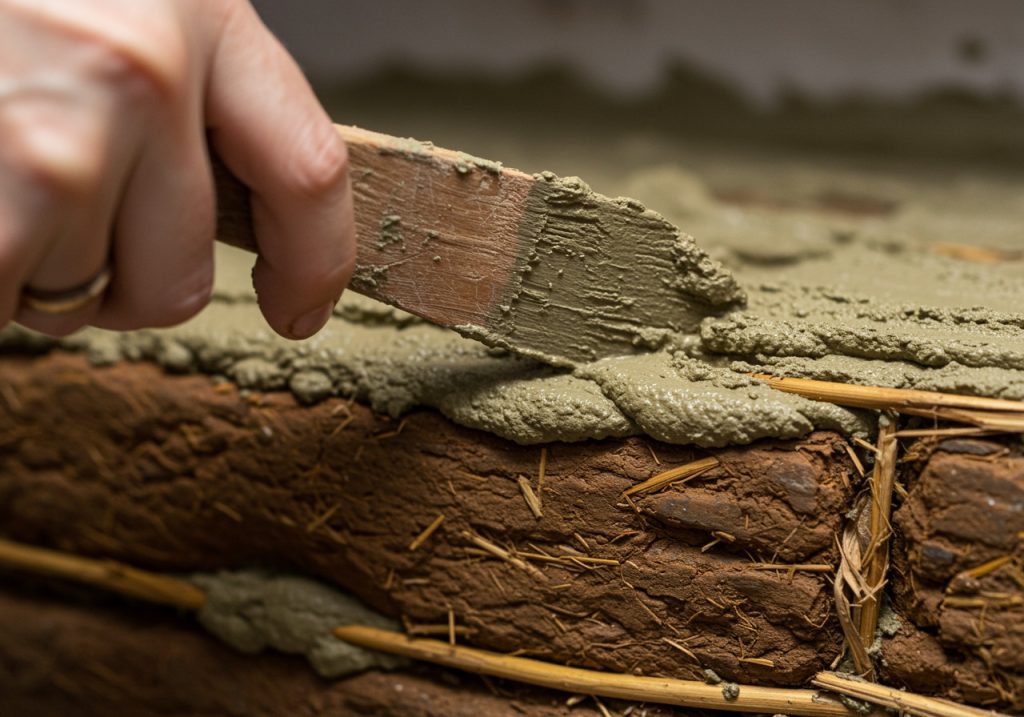
Cost for lime pointing in Plymouth varies widely depending on the extent of the works, the accessibility of the wall, the depth of repointing required and whether historic investigation or scaffolding is needed. Typical factors influencing cost include:
- Labour intensity: hand raking and traditional tools are labour‑heavy.
- Material choice: lime putty and high‑quality sands are more costly than ready‑mixed modern mortars.
- Logistics: scaffolding, access, and weather protection add to project cost.
- Conservation requirements: matching historic mortar may require testing and trial panels.
As a rough guide, small repointing patches can be relatively affordable, while full elevation conservation projects run higher due to conservation standards and the time required.
DIY is feasible for small, well‑defined patches if you have:
- A clear understanding of the wall type and mortar compatibility.
- Time to practise mixing and pointing techniques.
- The right tools and materials (hand tools, suitable lime, clean sand).
However, call in a professional when:
- Works are extensive or on exposed elevations.
- The building is listed or in a conservation area and you need compliance with heritage standards.
- You are uncertain about the compatibility of existing mortar or the presence of underlying structural issues.
- You need a matching finish and colour across a large area.
Professional contractors experienced in traditional trades will bring material knowledge (including hydraulic lime grades), appropriate methods for repointing and a commitment to building conservation. At Legacy Restoration, we provide condition surveys and trial panels so clients can see the finish and performance before committing to larger works.
Conservation Considerations and Breathability
Conservation of cob walls requires a long‑term view. Short‑term fixes with inappropriate materials create larger problems overall. The guiding principles are compatibility, breathability and reversibility where practical.
Compatibility: Mortar strength and porosity should be lower than or equal to the masonry it serves. For cob that means selecting a lime mortar soft enough to weather before the cob itself deteriorates.
Breathability: Lime mortars facilitate the movement of moisture vapour. This reduces the risk of interstitial condensation and salt migration concentrated at hard junctions, which can cause flaking.
Reversibility: While no repair is completely reversible, using lime allows future conservators to remove or replace pointing without damaging original fabric — cement mortars bind too tightly and often require destructive removal.
In coastal and exposed parts of Plymouth and nearby Cornwall, maintenance cycles may be more frequent due to salt‑laden winds. Regular inspection and timely lime repointing can prevent water ingress and avoid more costly structural repairs later.
Practical Checklist for Heritage Cob Projects
For homeowners planning lime pointing or wider cob repairs, a simple checklist can help:
- Commission a condition survey from a specialist in traditional materials.
- Avoid cementitious repairs and modern renders unless instructed by a conservation professional.
- Request trial panels to test mortar colour and texture.
- Ensure contractors use appropriate lime (NHL grade or putty) and clean sand.
- Plan for weather protection during works and gentle curing afterwards.
- Keep records of materials and methods used for future maintenance.
Local Craft, Training and Working with Legacy Restoration
Devon, Cornwall and Plymouth have a strong tradition of building crafts — stonemasons, thatchers, lime workers and plasterers who understand local materials and climatic demands. Choosing a contractor who values training and apprenticeships helps sustain these trades and ensures high‑quality work.
Legacy Restoration works with local craftsmen trained in traditional lime techniques. We understand how to match mortars, execute correct pointing profiles and plan conservation‑led projects that balance durability with authenticity. Our approach includes surveying, specification of appropriate hydraulic lime (where needed), and clear communication about timescales and costs.
Working with a local specialist also reduces logistical challenges: quicker site visits, awareness of local weather patterns, and established relationships with suppliers of suitable lime and sands help projects run smoothly.
Final Thoughts
Lime pointing in Plymouth is more than a cosmetic job: it’s a conservation decision that affects the breathability, health and longevity of cob walls. Using the right lime mortar — whether lime putty or an appropriate hydraulic lime grade — and following careful preparation and curing practises preserves fabric, prevents moisture damage and respects the traditional character of your building.
If you own a cob cottage or historic property in Devon, Cornwall or Plymouth and want to understand the best approach for pointing, repointing or lime plaster and render, Legacy Restoration can help. We provide condition surveys, trial panels and sympathetic repair work delivered by trained traditional craftsmen. Contact us to discuss your project and get a tailored recommendation for materials, timing and costs.
Preserve breathability, protect the fabric, and keep the character of your home for future generations — start with the right lime pointing.