5 Essential Tips for Lath and Plaster in Plymouth Home Restorations
Have you ever stood in an old Plymouth townhouse and felt the story held within its walls — fine cornices, hand-rendered surfaces and the gentle, irregular texture that only traditional lath and plaster can provide? Those qualities make period homes in Devon and Cornwall so special, but they also demand particular attention when it comes to repair and restoration. At Legacy Restoration, we understand the skills, materials and local knowledge needed to care for these buildings. Our professional plastering and restoration teams combine traditional craftsmanship with modern best practice to ensure heritage fabric is conserved for generations to come.
Whether you’re planning a full renovation, repairing damage after damp or simply seeking to match a historic finish, lath and plaster requires a careful, informed approach. This guide presents five essential tips for lath and plaster in Plymouth home restorations, designed to help homeowners, architects and contractors make the right decisions for durable, sympathetic results.
Understand the fabric: survey and diagnosis first

Before any work begins, a proper inspection of walls and ceilings is essential. Lath and plaster systems — typically timber laths fixed to joists or studs with three-coat plaster applied over them — behave very differently from modern plasterboard. Problems you see on the surface (cracks, bulging or delamination) can have a variety of causes including movement in the timber, moisture ingress, historic repairs using incompatible materials, or older nails and fixings that have corroded.
A thorough diagnostic approach looks beyond the visible. Check the condition of the timber laths and their fixings, probe for damp around rooflines and external walls, and inspect the junctions where different materials meet (for example, where plaster meets skirting boards or cornices). In Plymouth and the surrounding areas, prevailing weather and older stone or brickwork construction can increase the risk of penetrating damp, so pay close attention to external fabric, rainwater goods and ventilation.
Key signs to note during your survey:
- Areas of soft or powdery plaster, which may indicate long-term moisture damage or unsuitable historic repairs
- Horizontal or vertical cracks radiating from windows, doors or cornices, suggesting structural movement
- “Blown” or hollow-sounding areas when tapped, indicating delamination between plaster and lath
- Distorted timber laths or lost fixing nails
A clear diagnosis shapes the repair strategy. Sometimes the best solution is localised consolidation and re-bedding of original plaster; at other times a sacrificial patch followed by careful reinstatement gives the only long-term outcome. Legacy Restoration’s teams always start with a measured inspection so interventions are appropriate, conserving as much historic material as possible.
Use compatible materials and traditional methods
One of the most common mistakes in restoration is using modern gypsum-based plaster on historic lath. While quicker to apply, gypsum can trap moisture, shrink differently and fail to bond to soft lime-rich substrates. For traditional walls and ceilings, lime plasters and traditional three-coat systems often remain the most compatible choice for longevity and breathability.
Lime-based plaster offers several benefits in older homes across Plymouth, Devon and Cornwall:
- Breathability: allows moisture to move through the wall rather than being trapped, reducing risk of decay in historic timbers and masonry
- Flexibility: accommodates small movements in the building without cracking
- Compatibility with historic surfaces and finishes
Lime vs Gypsum

When to choose which if the existing plaster and backing are lime-based, reinstating with hydrated lime and traditional sand ensures compatibility. Gypsum or cement-based renders may be used selectively — for example, in non-historic partitions or where a rapid skim is required on stable modern substrates — but they should be avoided where moisture control and historic integrity are priorities.
Using traditional methods also includes attention to lath spacing, the use of appropriate hair or fibre reinforcement where needed, and building up coats correctly: scratch coat, floating coat and final skim. Skilled plasterers who understand these techniques produce durable finishes that respect the character of period properties.
Choose an experienced plasterer with heritage skills
Finding the right tradesperson is perhaps the single most important decision in any lath and plaster restoration. Not every plasterer is trained in traditional methods or experienced with period buildings. Look for contractors who can demonstrate past work on heritage properties, knowledge of lime and traditional mixes, and an understanding of local construction types found in Plymouth and the surrounding counties.
When selecting a high-quality plastering service, consider the following:
- Proven portfolio: ask for examples of lath and plaster repairs, conservation projects or period house renovations
- References: speak to previous clients, preferably those with similar properties or issues
- Qualifications and affiliations: memberships with heritage or conservation bodies, NVQ or equivalent trade qualifications, and a demonstrated commitment to ongoing training
- Clear scope and written quotation: the contractor should outline diagnosis, materials to be used (lime vs gypsum), access requirements and likely timescales
Questions to ask potential contractors
- Have you repaired lath and plaster in Victorian or Georgian homes based in Plymouth or neighbouring Devon/Cornwall?
- What materials will you use and why?
- How will you address underlying causes such as damp or movement?
- Can you provide a written method statement and example colour/finish samples?
Choosing a craftsman who values workmanship and durability will save time, cost and heartache. Legacy Restoration’s expert plastering team combines regional experience with a respect for traditional trades to deliver repairs that look right and perform well.
Tackle causes before cosmetic repairs: moisture and structural issues
Repairing plaster without addressing the underlying cause leads to repeated failures. In many Plymouth homes, moisture is the primary culprit — whether from leaking roofs, blocked gutters, rising damp, or poor ventilation in bathrooms and kitchens. Structural movement (settlement, timber shrinkage) and previous inappropriate repairs also contribute to persistent problems.
Addressing causes typically involves:
- Making good external fabric: repair roof coverings, gutters, lead flashings and pointing to stop water ingress
- Improving ventilation: ensure adequate extract in wet rooms; consider controlled ventilation where humidity is a recurring issue
- Repairing or consolidating structural elements: stabilise timber joists or studwork if movement is causing repeated cracking
- Removing incompatible materials: replacing cementitious patches or gypsum layers that trap moisture with breathable lime render or plaster
Where moisture has already damaged plaster, remediation may include drying out the affected area using dehumidifiers, controlled heating and time. In many cases, limited removal of delaminated plaster followed by reinstatement with compatible materials is enough. For widespread failures, a staged approach to removal, fabric repairs, and re-plastering provides a reliable result.
Achieve the right finish: matching texture, cornices and decoration
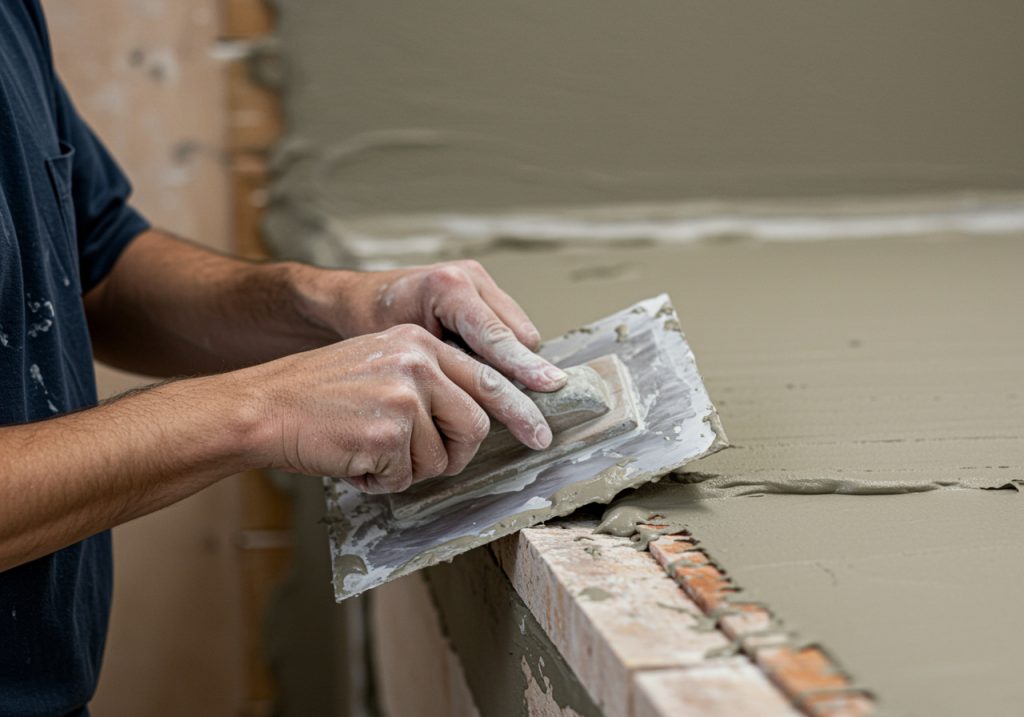
Restoration is not just about repair; it’s about matching finishes so the fabric reads as a coherent whole. Achieving authentic results on walls and ceilings requires attention to finish details — the thickness of the skim, the toolmarks on a traditional float finish, or the profile of cornices and mouldings.
Start by documenting existing finishes: take photos, measure cornice profiles and note surface textures. Where original mouldings survive, carefully remove for replication or use them as templates for bespoke profiles made in lime plaster or fibrous plaster where appropriate.
Practical tips for matching finishes:
- Use test patches to confirm mix proportions, colour and texture before committing to large areas
- Retain original patina where possible; light cleaning and consolidation may be preferable to complete replacement
- For skimming over repaired areas, feather edges into sound plaster and match skim thickness to surrounding surfaces
- Engage skilled decorative plasterers for cornices, rosettes and ornamental work to ensure profiles are accurate and crisp
A well-matched finish doesn’t just preserve appearance — it also helps maintain the building’s performance. The correct skim and methodology will help prevent future delamination and ensure durability.
Final Thoughts
Lath and plaster in Plymouth homes is an important part of the region’s architectural legacy. Successful restoration depends on careful diagnosis, the use of compatible materials, skilled plastering craftsmanship and attention to the underlying causes of damage. By choosing contractors experienced with traditional methods and local building types, and by prioritising breathability and workmanship, homeowners in Plymouth, Devon and Cornwall can enjoy finishes that are both beautiful and durable.
If you’re planning a restoration project or need advice on lath and plaster repairs, Legacy Restoration offers experienced teams in plastering and rendering services, specialising in traditional techniques and sympathetic conservation.Send us a message to learn more or to enquire about a survey and quotation. Preserve the character of your home with the right approach and expert workmanship.