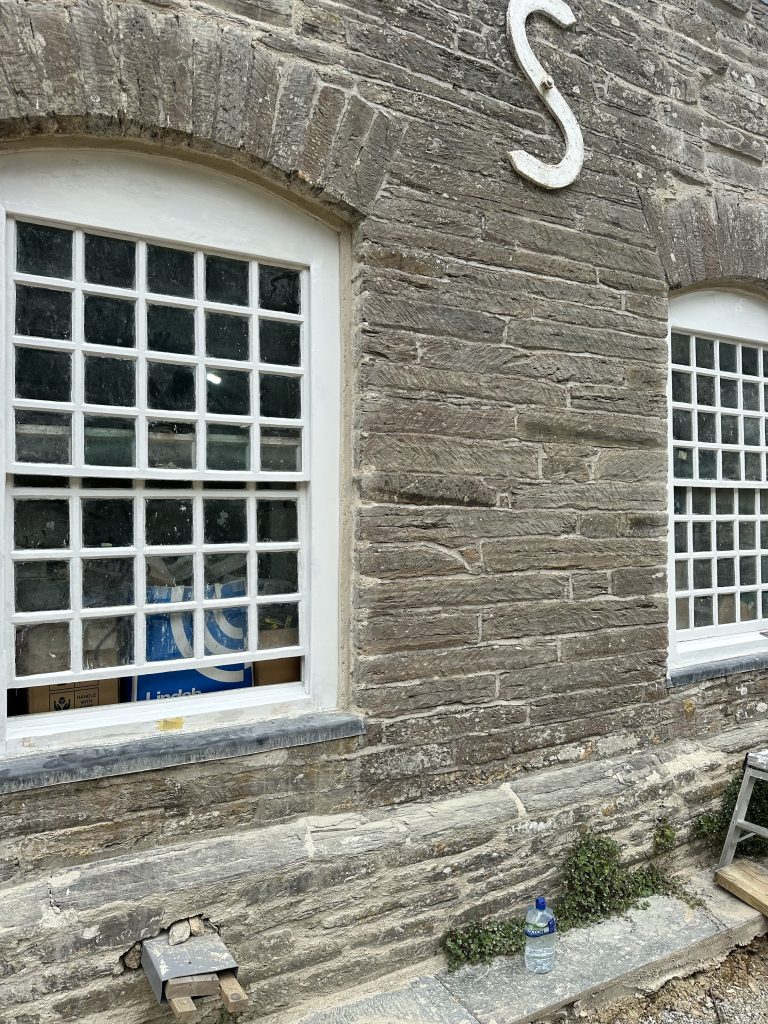
The Resilience of Heritage Cob in Cornwall
Have you ever walked through the charming streets of Cornwall and marvelled at the beautiful cob structures that have stood the test of time? Heritage Cob in Cornwall is more than just a building technique; it’s a testament to the region’s architectural heritage. With a resilient framework and a connection to the land, cob buildings tell stories of the past while offering sustainable practices for the future.
As a leading restoration company, Legacy Restoration (South West) Limited has dedicated over two decades to preserving these historical treasures. In this article, we will explore the heritage cob trends in Cornwall, insights on local practises, creative ideas for utilising cob, and best ways to enhance your cob structures.

Understanding Heritage Cob
What is Heritage Cob?
Heritage Cob refers to the traditional methods and materials used in the construction and preservation of historic buildings, particularly in regions like Devon and Cornwall. This technique primarily involves the use of cob, a natural building material made from a mixture of clay, sand, stone, straw, and water, combined with lime mortars to enhance durability.
In the context of building preservation, the aspects of cob and cob and stone construction are critical in maintaining the integrity of historic structures. The building trade has seen a resurgence in interest for sustainable building practices, particularly in the restoration of historic buildings in Cornwall. If you are interested in building with cob or require expert advice on building restoration services, please contact us to learn more about our offerings as cob and lime specialists dedicated to preserving the heritage of these remarkable structures.
Why Choose Cob?
When considering the preservation of historic buildings in Cornwall, you must always check what the structure of the building consists of. There are so many historic buildings which have a granite or slate ground floor with a cob first floor or even 2nd floor. We also find many have out buildings made of Cob.
- Sustainability: Cob is made from local materials, making it an eco-friendly option. This natural building technique primarily utilises a mixture of clay, sand, straw, and water, all of which are often sourced from the surrounding environment. The use of these readily available resources not only reduces the carbon footprint associated with transportation but also promotes sustainable practices by encouraging the use of materials that would otherwise go to waste.
- Thermal Mass: Cob buildings offer excellent thermal performance, keeping interiors warm in winter and cool in summer. This natural insulation is due to the thick, earthen walls that absorb heat during the day and release it slowly at night, creating a stable indoor climate. Additionally, the high thermal mass of cob helps to regulate humidity levels, contributing to a comfortable living environment. The use of natural materials in cob construction not only enhances energy efficiency but also promotes sustainability. Cob is made from locally sourced materials such as clay, sand, and straw, reducing the carbon footprint associated with transportation. Furthermore, cob structures can be built using traditional techniques that have been passed down through generations, fostering a connection to cultural heritage and craftsmanship.
- Aesthetic Appeal: The unique textures and earthy colours of cob structures enhance the natural beauty of the landscape. The unique textures and earthy colours of cob structures enhance the natural beauty of the landscape, blending harmoniously with the surrounding environment. Each building tells a story, shaped by the hands of its creators and the materials sourced from the land. The soft curves and organic forms of cob homes invite exploration, encouraging a sense of connection between the inhabitants and their surroundings.
The Significance of Heritage Cob in Cornwall
The significance of Heritage Cob in Cornwall lies in its embodiment of traditional building techniques that have stood the test of time. Many listed buildings require meticulous cob repairs to preserve their heritage value, and this necessitates the expertise of a cob specialist. By employing award-winning lime mortars and cob blocks, these skilled craftsmen ensure that the structures remain breathable and aligned with listed building regulations.
These artisans undertake restoration needs with a commitment to workmanship that meets the high standards set by English Heritage. They provide only premium products, integrating traditional lime into their practices to restore cob effectively. Their services in Cornwall not only enhance the aesthetic appeal of heritage buildings but also ensure the longevity of every project, from restoring cob to introducing new cob as necessary for grand designs.
Moreover, the use of lime pointing in conjunction with lime mortars and cob blocks to our plasters significantly contributes to the structural integrity of these buildings. By offering a wide range of solutions tailored to the specific requirements of each structure, they point you in the right direction for ensuring a safe site and preserving the unique character of Cornwall’s architectural heritage.
Heritage Cob Insights Near Cornwall
Local Expertise in Cob and Lime Techniques
At Legacy Restoration, we specialise in cob and lime techniques, ensuring that our restoration services adhere to traditional methods. We collaborate with local architects and structural engineers who possess extensive knowledge of cob construction. This collaboration guarantees that every restoration project is conducted with care and respect for the original craftsmanship.
Best practises for Heritage Cob Restoration
- Use Lime Mortar: Lime products from local suppliers, such as Cornish Lime in Bodmin, are essential for maintaining the integrity of cob structures. These materials not only provide the necessary breathability that cob walls require but also ensure that the buildings can withstand the test of time. The use of traditional lime mortars allows for flexibility in the structure, accommodating movement without cracking, which is crucial for the longevity of these historic buildings.
- Regular Maintenance: Implementing regular cob wall repairs can prolong the life of your buildings. By addressing minor issues before they escalate into major problems, property owners can maintain the structural integrity and aesthetic appeal of their cob structures. Regular inspections and maintenance not only preserves the physical structure but also honours the craftsmanship and history behind these unique buildings, making them a cherished part of the landscape.
- Emphasis on Breathability: utilising vapour-permeable materials ensures that moisture doesn’t get trapped, which is vital for the longevity of cob walls. Additionally, these materials allow for the natural breathability of the structure, enabling moisture to escape rather than accumulate within the walls. This is particularly important in climates where humidity levels fluctuate, as trapped moisture can lead to issues such as mould growth, structural weakening, and deterioration of the cob itself.
Cob Building Trends in Cornwall
Recent trends in cob building highlight a renewed interest in sustainable materials and practices. Homeowners and builders are increasingly opting for natural building methods that reflect Cornwall’s cultural heritage. This shift not only enhances aesthetic appeal but also contributes to environmental conservation.

Best Ways to Improve Heritage Cob
Innovative Ideas for Cob Structures
- Integrating Modern Design: Consider blending modern aesthetics with traditional cob techniques to create unique living spaces that honour historical practices.
- Utilising Natural Plasters: Experiment with lime plastering and lime wash to finish cob walls, enhancing durability while preserving breathability.
- Landscaping Around Cob Buildings: Thoughtfully designed landscapes can elevate the natural beauty of cob structures, making them focal points in the environment.
Conclusion: Preserving the Future of Heritage Cob in Cornwall
Heritage Cob represents more than just a method of building; it embodies the spirit of Cornwall and its rich history. By embracing traditional methods, utilising local resources, and innovating for the future, we can continue to preserve these unique structures for generations to come.
As you consider your own cob restoration or building project, remember that each choice you make contributes to the legacy of these remarkable structures. Whether you are a homeowner, builder, or a history enthusiast, understanding and appreciating the significance of heritage cob in Cornwall will enrich your experience and insight into this beautiful region.