Mould Remediation Services Plymouth: Protecting Heritage Buildings with Expert Care
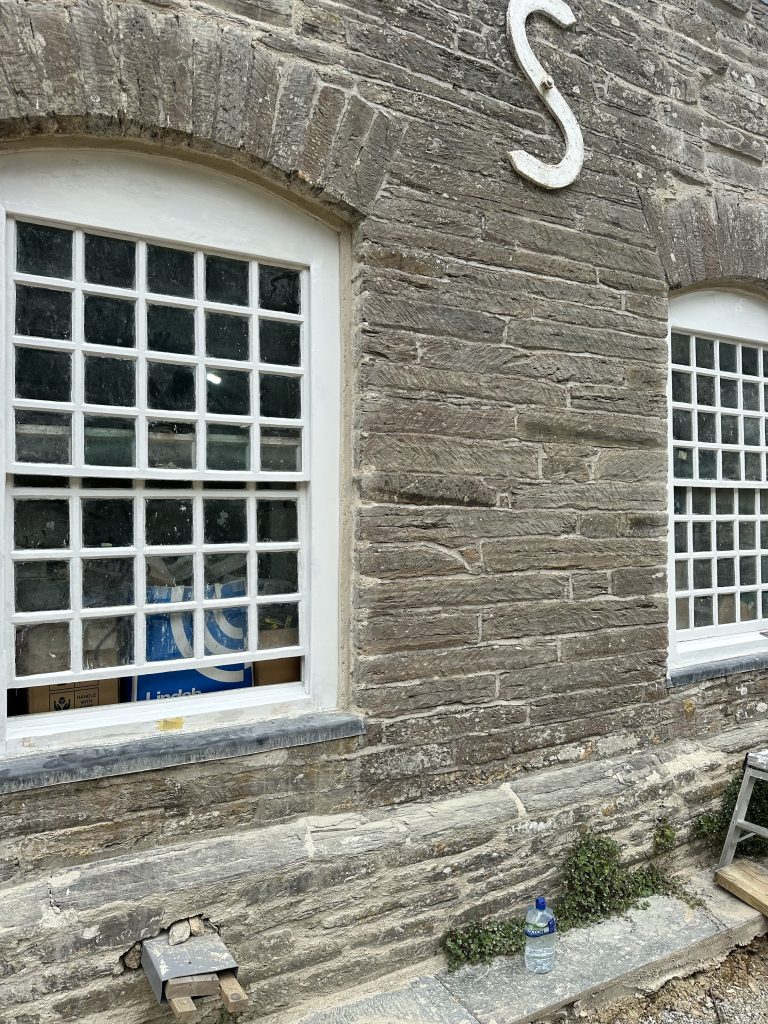
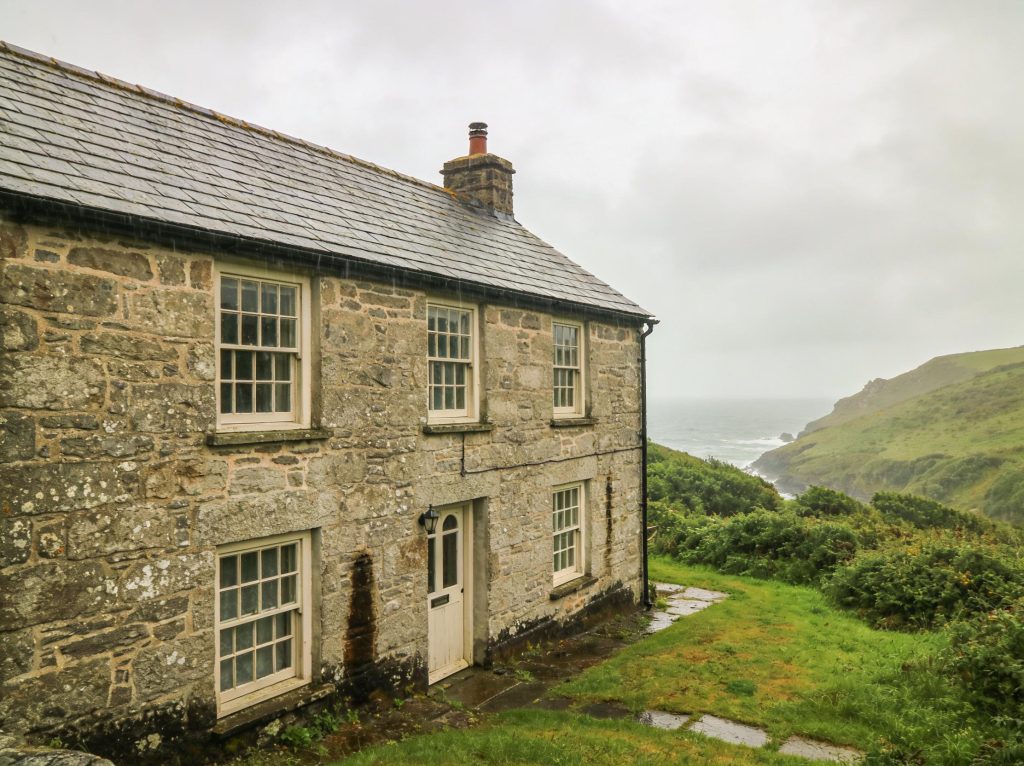
Plymouth’s historic harbourside terraces and centuries-old stone cottages tell stories of the city’s maritime and social past. Their charm lies in every weathered brick and timber beam — living reminders of craftsmanship that has stood the test of time. Yet behind this beauty, a quiet threat often hides: mould. For heritage homeowners and property custodians, even the smallest signs of damp, condensation, or mould can raise serious concerns about preserving these irreplaceable structures.
At Legacy Restoration, we understand the unique challenges faced by heritage properties in Plymouth and Cornwall. Our specialised mould remediation services go beyond surface treatments, focusing on expert care that protects the structure, fabric, and history of your cherished building. Whether you’re contending with persistent damp in a Georgian townhouse or black mould creeping along the ceiling of a Victorian villa, we’re here to help you safeguard your heritage home for generations to come.
Understanding Mould in Heritage Buildings
Mould is more than just an unsightly nuisance. In heritage buildings, it’s a sign of deeper issues, from persistent damp and poor ventilation to hidden leaks and condensation trapped in solid walls. What makes mould remediation in Plymouth’s historic properties so different?
Heritage homes, constructed with traditional materials like lime mortar, stone, and timber, require a tailored approach. Modern treatments or harsh chemicals can irreversibly damage these sensitive materials, leading to salt damage, crumbling mortar, and further mould growth. That’s why professional mould remediation services must blend conservation expertise with technical skill.
Mould spores thrive in Plymouth’s coastal climate, where penetrating damp, high humidity, and sea air create an ideal environment for infestation. For listed buildings and conservation properties, inappropriate interventions risk not only the building’s health but also its protected status.
Common Causes of Mould in Plymouth’s Heritage Properties
- Penetrating damp: Defective pointing, cracked stonework, or failing gutters allow wind-driven rain to soak through walls.
- Rising damp: Moisture from the ground wicks up through stone or brickwork, especially where damp-proof courses are absent or compromised.
- Poor ventilation: Historic homes often lack modern ventilation, trapping moisture from cooking, bathing, or heating.
- Leaks: Ageing roofs, flashings, and plumbing can introduce hidden damp issues.
- Condensation: Solid walls, single glazing, and cold bridging create condensation on internal surfaces, encouraging mould growth.
Why Heritage Buildings Demand Specialist Mould Remediation
Tackling mould in a listed or historic home is not the same as treating a modern property. At Legacy Restoration, our approach respects both the fabric and the history of each building. We’re deeply familiar with the Devon and Cornwall region’s unique environmental challenges, from salt-laden sea breezes to heavy winter rainfall.
Attempting DIY mould removal can have serious consequences for heritage stonework, timber, and lime plaster. Harsh cleaning agents or generic treatments might appear to solve the problem but can worsen salt damage, accelerate decay, or even void building conservation approvals.
Our team works in partnership with conservation authorities to ensure that all remediation methods align with heritage best practise, safeguarding your property’s value and significance.
The Risks of Improper Mould Removal
Improper mould removal can lead to a range of serious issues that affect both property and health. Understanding these risks is essential, especially in areas like Plymouth where damp and mould problems are prevalent. Here are some of the key risks associated with subpar mould remediation services:
- Damage to lime mortar: Modern chemicals used in mould removal can destroy the breathability of lime mortar, leading to the entrapment of damp and salts. This can result in further decay and complications in the structural integrity of buildings, especially those with historic features. Lime mortar is essential for allowing moisture to escape; when it is compromised, it can exacerbate damp issues and lead to costly repairs.
- Stone and brick decay: The use of abrasive methods during the mould removal process can erode delicate masonry surfaces. This decay not only diminishes the aesthetic appeal of the property but also weakens the structure. In Plymouth, where many buildings have historical significance, it is crucial to use gentle techniques that preserve the integrity of stone and brickwork.
- Loss of historic features: Unsympathetic repairs carried out during improper mould removal can irreversibly alter period details in historical buildings. Features such as intricate mouldings, original plasterwork, and distinctive architectural elements can be damaged, leading to a loss of cultural heritage and historical value. When conducting mould remediation, especially in older properties in Plymouth, it’s vital to consult specialists who understand the importance of preserving these elements.
- Respiratory health risks: Incomplete mould removal allows mould spores to persist in the living environment, significantly affecting indoor air quality. This can lead to various respiratory problems for occupants, including allergic reactions and chronic conditions. Mould thrives in damp environments, and without effective remediation services, these health risks can escalate, particularly for vulnerable individuals such as children and the elderly. Ensuring that the removal process is thorough and effective is essential for maintaining a healthy indoor air quality.
Our Lime-Safe, Conservation-Focused Remediation Methods
Legacy Restoration specialises in lime-safe and heritage-appropriate mould remediation for Plymouth and Cornwall’s historic properties. Our process is meticulous, prioritising both immediate results and long-term building health.
Step-by-Step Remediation for Heritage Buildings
- Comprehensive Survey: We assess the extent of mould, damp, and underlying moisture sources using traditional expertise and modern diagnostic tools.
- Salt and Damp Testing: Special attention is given to salt migration and damp tracking in stone and mortar.
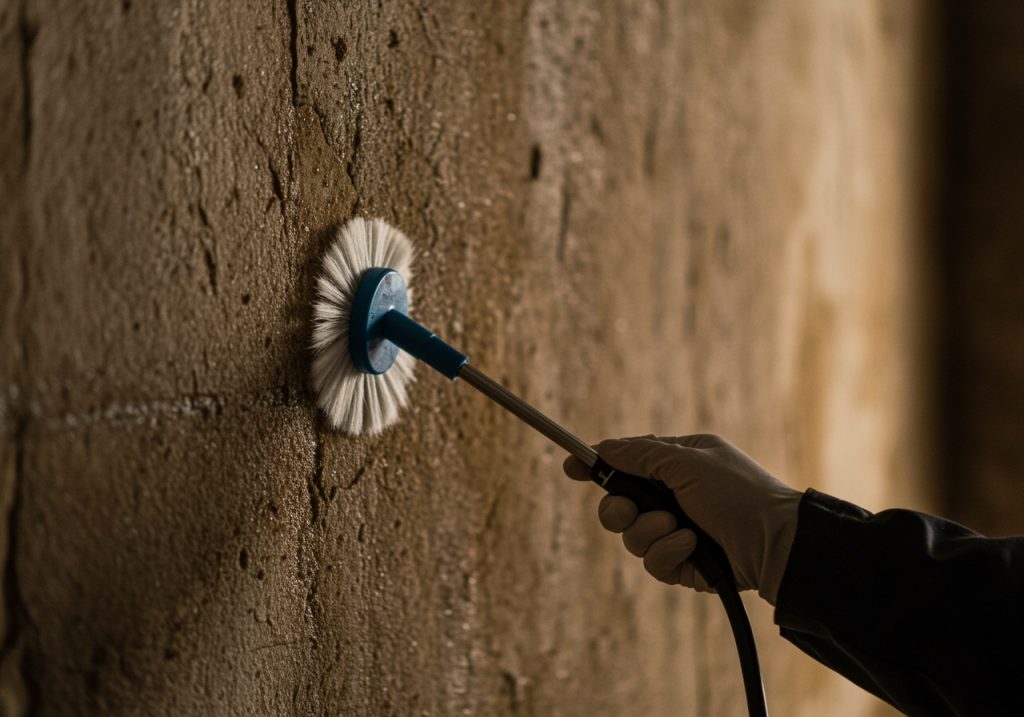
- Lime-Safe Cleaning: We use gentle, non-invasive cleaning methods that remove mould while protecting original materials.
- Ventilation and Moisture Control: Upgrades to ventilation, heating, and insulation are carefully designed to suit heritage interiors.
- Repair and Restoration: Where necessary, we undertake traditional lime plaster or stonework repairs, matched to the original building fabric.
- Long-Term Prevention: We advise on maintenance, air quality improvement, and condensation prevention tailored to historic homes.
Our commitment extends beyond cleaning — we integrate mould remediation with sympathetic restoration, ensuring the historic character of your property is never compromised.
Key Challenges in Heritage Mould Remediation
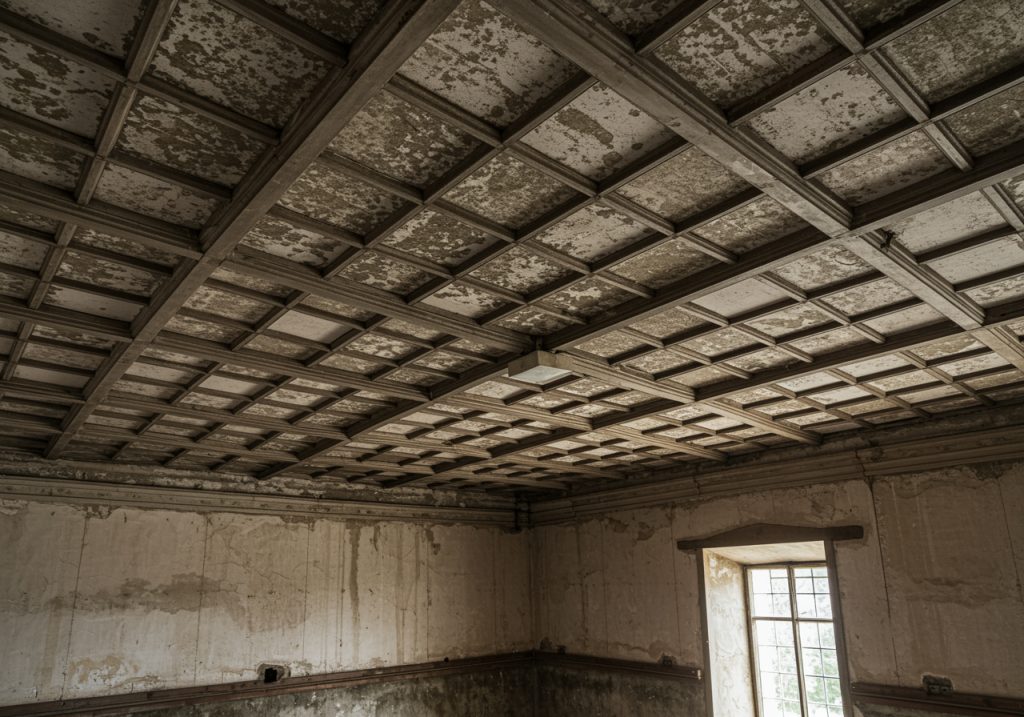
Successfully remediating mould in Plymouth’s heritage buildings involves overcoming several unique challenges. It’s not just about removing visible growth; true conservation requires understanding the building’s construction, local climate, and history.
Salt Damage: The Hidden Enemy
In coastal Plymouth and Cornwall, salt carried by sea air and ground moisture can crystallise within stone and mortar. When combined with persistent damp, these salts create the perfect breeding ground for mould and contribute to blistering, flaking, and powdery surfaces.
Addressing salt damage demands specialist knowledge. Our technicians are skilled in identifying salt-laden areas and using remedial methods that preserve the fabric without introducing further risk.
The Impact of Ventilation and Air Quality
Historic properties often suffer from poor air circulation, especially when ill-fitting windows or blocked chimneys restrict natural ventilation. Improving air quality without compromising the building’s appearance or heritage features takes experience and thoughtful planning.
We design discreet ventilation solutions that respect period details while reducing condensation and mould growth. Where possible, we work with conservation officers to ensure upgrades meet local authority standards.
Integration with Stone Masonry Restoration
Mould infestation rarely exists in isolation. Often, it signals deeper issues with stonework or mortar, particularly in Plymouth’s Georgian and Victorian buildings. Legacy Restoration’s expertise in stone masonry allows us to combine mould remediation with sensitive repairs, ensuring both structural integrity and aesthetic harmony.
Working with Conservation Authorities: Building Trust
Navigating heritage regulations can be daunting. Legacy Restoration’s close working relationships with local conservation officers and English Heritage ensure our remediation strategies meet both modern safety standards and heritage expectations.
We welcome collaboration and are happy to provide documentation or attend site meetings to support your planning or listed building consent applications. By engaging with conservation bodies from the outset, we help clients avoid costly delays and ensure the remediation process is smooth and compliant.
Why Choose Legacy Restoration for Mould Remediation in Plymouth?
Choosing a mould remediation partner is about more than technical ability — it’s about trust, locality, and a shared passion for heritage. Legacy Restoration brings decades of experience in traditional building conservation, stone masonry, and specialist cleaning, all rooted in the unique needs of Plymouth, Devon and Cornwall.
Our reputation is built on:
- Deep understanding of West Country heritage architecture
- Commitment to lime- and stone-friendly methods
- End-to-end service from survey to long-term care
- Respect for both building fabric and history
- Clear communication and liaison with local authorities
We treat every project as a unique opportunity to preserve Plymouth’s built heritage for future generations.
Conclusion
Plymouth’s historic buildings hold stories that deserve to be shared, not hidden behind the stain of mould or the damage of unchecked damp. Professional mould remediation, tailored to the specific requirements of heritage properties, is key to protecting both the structure and soul of these cherished spaces.
At Legacy Restoration, our expertise in lime-safe, conservation-focused mould remediation ensures your home or property remains healthy, beautiful, and true to its origins. If you’re facing mould, damp, or air quality concerns in your heritage building, let us guide you toward a safer, more resilient future. Your building’s legacy deserves nothing less.