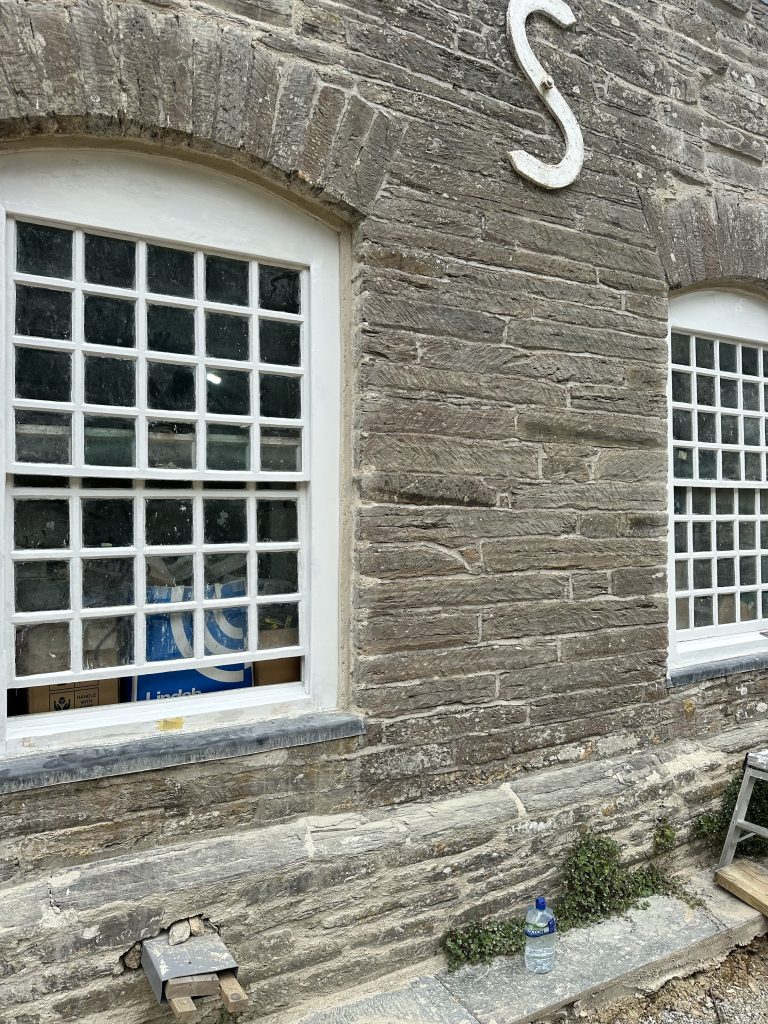
Lime Pointing in Cornwall: The Key to Preserving Your Heritage
Have you ever gazed at the intricate stonework of historic buildings in Cornwall and wondered how they maintain their beauty century after century? The secret often lies in a technique known as lime pointing. This traditional method not only enhances the aesthetic appeal of stone structures but also plays a vital role in preserving their integrity. In this comprehensive guide, we will explore lime pointing in Cornwall—what it is, why it’s important, and how to effectively implement it in your restoration projects.
What is Lime Pointing?
Lime pointing refers to the process of repairing and finishing the mortar joints between stones in masonry using lime-based materials. This technique has been employed for centuries in the construction of historic buildings, and its use is critical in maintaining the character and durability of these structures.
The Importance of Lime Mortar
Lime mortar is a crucial component in traditional building techniques, providing a weatherproof and breathable paint finish. With a mortar mix that often includes aggregate, it allows for flexibility and movement in solid-walled structures. Unlike sand and cement, which can trap moisture, lime is also effective at preventing moisture penetration, making it ideal for building restorations and lime plastering and rendering. This is particularly significant in the humid climate of Cornwall, where traditional stone buildings are prevalent.

The Benefits of Lime Pointing in Cornwall
1. Preservation of Historic Integrity
The preservation of historic integrity in cornish lime pointing is essential for maintaining traditional buildings. Using lime wash and lime plastering and rendering techniques ensures that the structures remain breathable, preventing moisture penetration. Lime is also a key ingredient in creating mortar mixes that are compatible with solid-walled constructions. A skilled mason will apply fresh mortar made from aggregate and coarse materials to compact the mortar effectively. This is crucial for maintaining the value and authenticity of Grade I and II listed structures throughout Cornwall.
2. Breathability and Moisture Management
The breathability and moisture management of lime pointing are crucial for traditional building methods. Using lime wash and lime plastering and rendering, structures maintain their integrity by allowing moisture to escape, reducing moisture penetration. Lime is also known for its weatherproof qualities, making it ideal for building restorations. A mason can create a mortar mix that includes coarse aggregate, which, when combined with fresh mortar, helps compact the mortar effectively.
In solid-walled buildings, this technique protects against common causes of decay while allowing the walls to breathe. The use of sand and cement can hinder this process, which is why cornerstone drymix offers alternatives. The top coat of breathable paint enhances the overall performance, ensuring that the building remains healthy and functional. A well-executed lime kiln process is essential for producing high-quality materials that contribute to the longevity of our architectural heritage.
3. Aesthetic Appeal
The aesthetic appeal of lime wash in traditional building practises is unparallelled. Lime pointing can enhance the visual texture of stone masonry, giving it a softer, more organic look compared to the harsher finish of cement. This aesthetic quality is particularly desirable in traditional settings, where the goal is often to maintain historical integrity while blending harmoniously with the surrounding landscape.
Moreover, lime wash is known for its subtle, muted colours that evolve over time, adding character and depth to a structure. Unlike synthetic paints, which can create a uniform appearance, lime wash allows for variations in hue and tone, resulting in a unique patina that reflects the building’s history and environment. As it ages, lime wash can develop a beautiful, weathered look that enhances the charm of old buildings, making them feel more integrated into their surroundings.

Understanding the Lime Pointing Process
Materials Required
When embarking on a lime pointing project, it is important to gather the right materials:
- Lime Mortar: Choose a high-quality lime mortar suitable for the specific types of stones used in the construction. The compatibility of the mortar with the stone is crucial for ensuring proper adhesion and flexibility, allowing for natural movement and minimising the risk of cracking.
- Sand: A well-graded sand that complements the lime is crucial for achieving the desired consistency and strength in lime rendering. When mixed correctly, these materials provide excellent durability, especially in Cornish buildings that often face damp issues.
- Water: Clean water is essential for hydrating hydraulic lime and facilitating the curing process in lime rendering. This is particularly important when working with cement mortar alternatives like lime mortar pointing, especially in Cornish buildings that require careful attention to existing mortar joints
Step-by-Step Guide to Lime Pointing
Step 1: Preparation
Before starting the re-pointing process on older structures, it is essential to prepare adequately. Evaluate the current mortar joints to assess their condition. Many buildings in Cornwall possess distinctive features that necessitate the use of specialised building materials.
Begin by chiseling or grinding away any loose or damaged mortar. This will help ensure that the existing mortar joints are stable and ready for re-pointing. Afterwards, thoroughly clean the joints to remove any dust and debris, as mortars adhere more effectively to clean surfaces. Pay attention to any moisture issues or mould that could compromise the strength of the new lime mortar pointing, particularly when opting for lime mortar over cement mortar.
Step 2: Mixing the Lime Mortar
Mixing the lime mortar is crucial for maintaining the integrity of older buildings. The mortar used in these structures must be carefully prepared to ensure proper adhesion and flexibility.
When mixing, it’s essential to follow proper guidelines to achieve the best results. A recommended ratio is 1 part lime to 3 parts sand, ensuring a strong yet workable mortar suitable for various building service applications.
Additionally, when combining with water, care must be taken to achieve the right consistency. The mix should be wet enough to be workable but not so wet that it leads to slumping, as mortars tend to lose their integrity if overly saturated.
Step 3: Application
Using lime mortar for pointing is an essential technique in masonry that enhances both the aesthetic and structural integrity of stonework. The process begins by carefully mixing the lime mortar to achieve the right consistency. Once prepared, the mixed mortar is applied into the joints using a pointing trowel, ensuring an even distribution throughout.
Next, it is crucial to press the mortar firmly into place to eliminate air pockets, which can lead to weaknesses in the joint. This step ensures a robust bond between the stones.
Finally, to achieve a professional finish, the surface of the joint is tooled to create a smooth finish that matches the surrounding stonework, resulting in a cohesive and visually appealing façade. This final step not only enhances the aesthetic quality of the joint but also ensures that it is properly sealed against moisture and environmental factors. The tooling process may involve various techniques, such as using a trowel or specialised tools to shape the mortar, depending on the style of the stonework and the desired effect.
Step 4: Curing
After tooling, it is essential to allow the joint to cure adequately. This curing process helps in achieving optimal strength and durability, ensuring that the joint can withstand the test of time. Once cured, any excess mortar can be carefully removed, and the area can be cleaned to remove dust or debris, revealing a clean and polished finish.
To further protect the stonework, a sealant may be applied to the entire façade. This not only adds an extra layer of defence against moisture and staining but also enhances the natural colours of the stone, highlighting its unique textures and patterns.
In the end, the meticulous attention to detail in tooling and finishing the joint contributes significantly to the overall integrity and beauty of the structure, ensuring that it stands out as a testament to quality craftsmanship for years to come.
Common Challenges and Solutions
Improper Mixing Ratios
One of the most common issues faced in lime pointing is improper mixing. Improper mixing can lead to a variety of problems, such as weak bonding, reduced durability, and increased susceptibility to environmental factors. To achieve the best results, it is essential to always adhere to the recommended ratios to ensure a successful outcome.
Environmental Conditions
When performing lime pointing, it is crucial to ensure that the task is conducted in suitable weather conditions. Working in extremely cold or wet weather can significantly impact the curing process, leading to poor results.
To achieve the best outcome, aim for moderate temperatures and dry conditions. This allows the lime to set properly, ensuring durability and effectiveness in the long run.
Maintenance Tips for Lime Pointing
- Regularly inspect the pointing of your masonry to identify any signs of cracks or deterioration. These small defects can lead to larger problems if left unattended, compromising the integrity of the structure. Look for areas where the mortar may be crumbling or where gaps have formed between the bricks or stones.
- When cleaning surfaces that contain lime, it is essential to proceed with caution. Gently wipe the area using a soft cloth or sponge to avoid any potential damage. Harsh scrubbing can lead to scratches or deterioration of the lime finish, compromising its appearance and integrity. Additionally, opt for mild cleaning solutions that won’t react adversely with the lime material.
- To maintain the integrity of your structure, it is essential to repoint as needed, particularly in areas exposed to significant weathering. Over time, factors such as rain, wind, and temperature fluctuations can erode the mortar joints, leading to potential damage. Regularly inspecting these vulnerable spots helps identify when repointing is necessary.
Conclusion: A Commitment to Heritage
Lime pointing is an essential practise for anyone looking to restore or maintain historic buildings in Cornwall. By employing this traditional technique, you not only enhance the aesthetic value of your property but also contribute to the preservation of our architectural heritage.
If you’re considering a lime pointing project or have further questions, Legacy Restoration is here to assist you. Our team of experts can guide you through the restoration process, ensuring your historic building receives the care it deserves.